How effective is the zeolite rotor in treating VOCs exhaust gas?
I. Industry Background: VOCs Treatment Enters the Era of Precision
With the continuous tightening of industrial emission requirements, the treatment of volatile organic compounds (VOCs) has become a key link in the green transformation of manufacturing industries. In 2026, the global zeolite rotor market, driven by the stricter regulations for VOCs treatment and the dual goals of industrial energy conservation and carbon reduction, is expected to reach a total size of 4.73 billion US dollars, an increase of 13.2% compared to 4.18 billion US dollars in 2025. Among this, the Chinese market is expected to contribute 1.96 billion US dollars, accounting for 41.4% and growing by 15.8%, with a significantly higher growth rate than the global average.
This growth is driven by the urgent demand from industries such as automotive painting, functional material coating, printing, semiconductor cleaning, and chemical production for the treatment of large-volume, low-concentration VOCs exhaust gas. As one of the most widely used technologies in industry for handling such exhaust gas, the actual treatment effect of zeolite rotors has become the focus of many enterprises.
II. Working Principle of Zeolite Rotors: The Core Logic of Adsorption Concentration
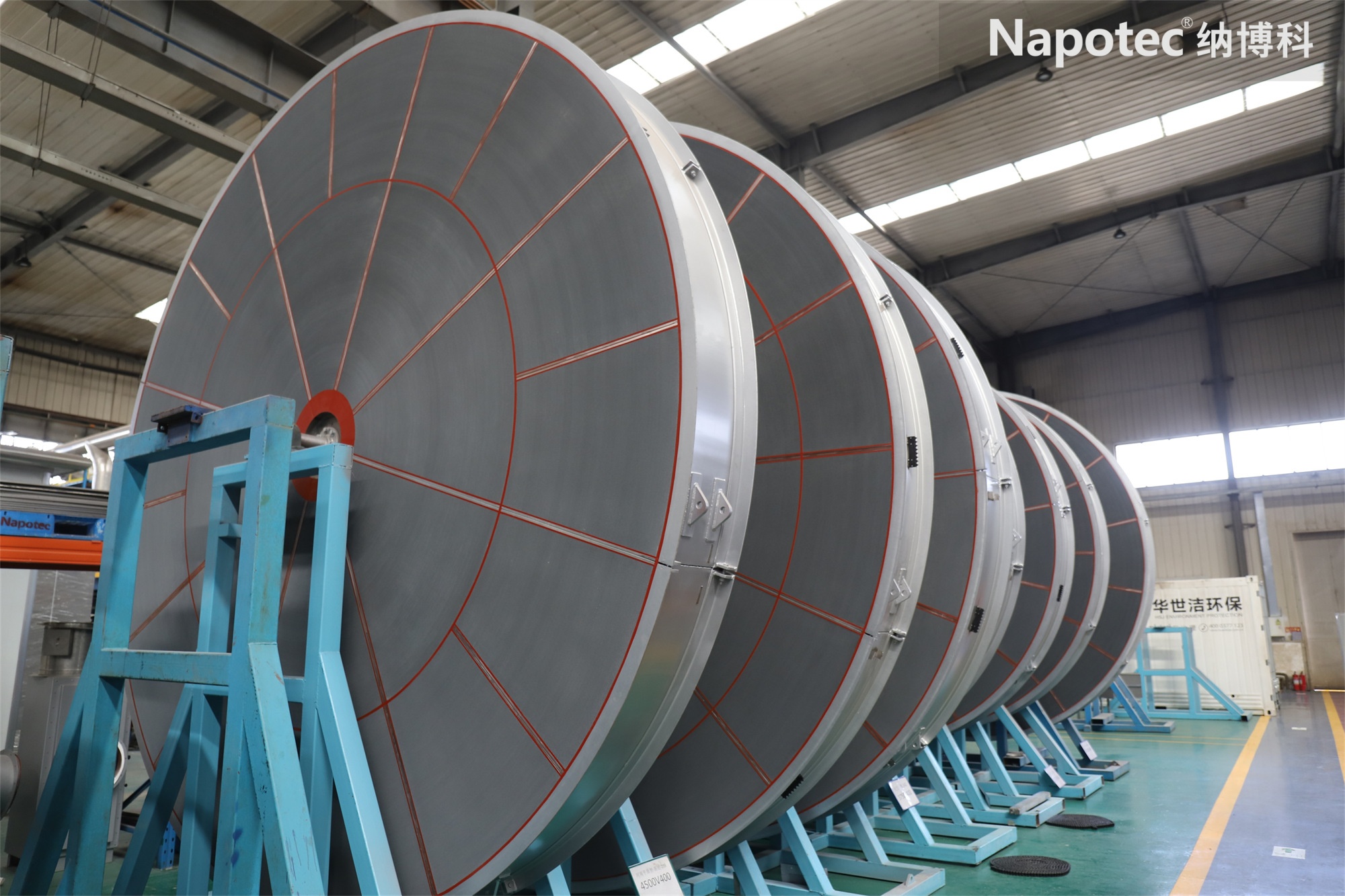
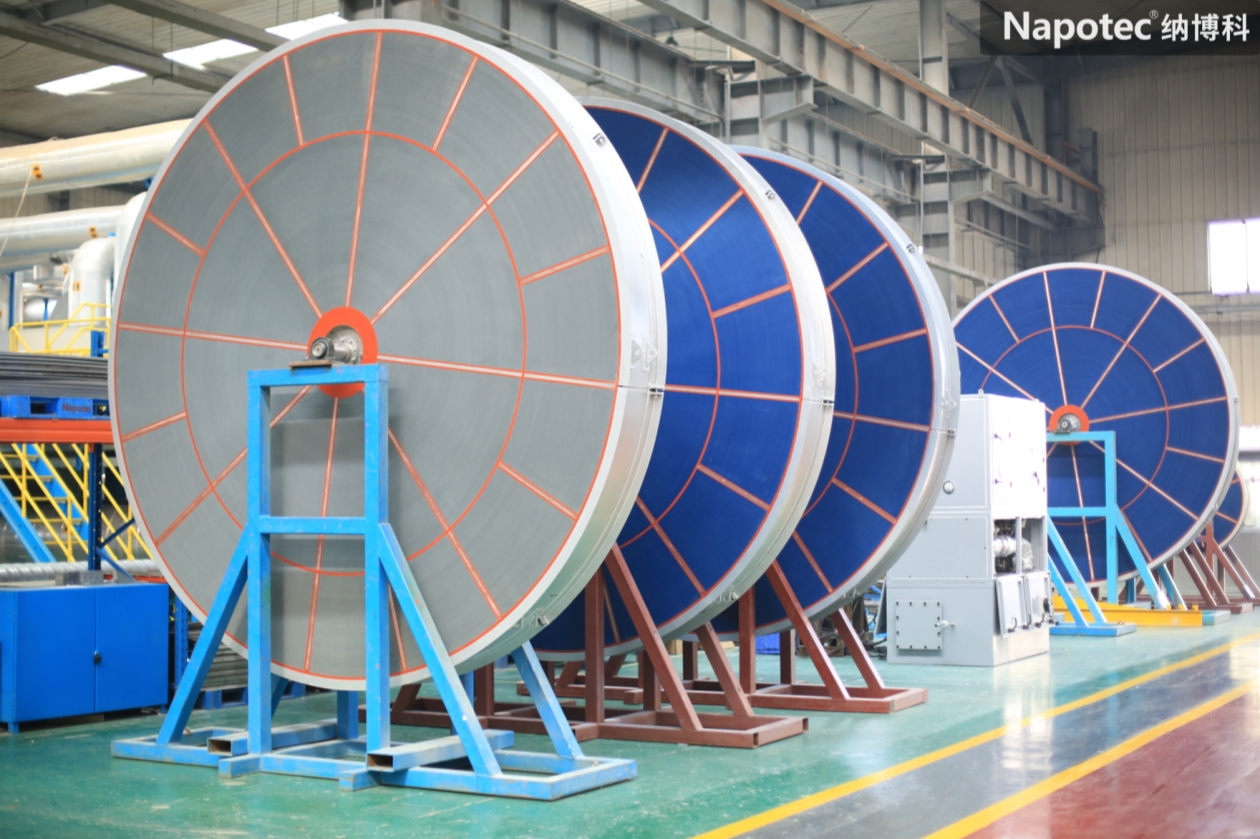
The core technology of zeolite rotors lies in the continuous cycle of "adsorption - desorption - concentration". The honeycomb-shaped circular discs made of ceramic fibers are coated with hydrophobic zeolite as the adsorbent. The rotors are divided into three functional areas: adsorption zone, desorption zone, and cooling zone.
The specific working process is as follows: Large-volume, low-concentration VOCs exhaust gas is filtered and reduced in relative humidity and then enters the adsorption zone. The organic gas is adsorbed onto the honeycomb zeolite, and the clean gas is directly discharged; The part of the rotor that has adsorbed VOCs rotates into the desorption zone, and a small wind volume of high-temperature air is used to desorb the organic matter, forming a more concentrated exhaust gas, which is easier for subsequent oxidation treatment or solvent recovery.
The design of commercial systems typically covers a concentration ratio of about 3 to 30 times, which can significantly reduce the size of the subsequent oxidation equipment, thereby reducing fuel consumption and operating costs.
III. Evaluation of the Actual Effect of Zeolite Rotors in Treating VOCs Exhaust Gas
3.1 Performance of Treatment Efficiency
As a concentration device, the adsorption removal efficiency of VOCs by zeolite rotors is usually above 90%. When combined with the subsequent oxidation equipment (such as RTO regenerative thermal oxidation or RCO catalytic combustion devices), the overall VOCs treatment efficiency of the system can generally reach over 95%, meeting the most stringent emission standards requirements.
3.2 Concentration Ratio and Energy Consumption Optimization
The concentration ratio is a key indicator for evaluating the performance of zeolite rotors. Under current technical conditions, the concentration ratio of the rotor has increased from 15 times to 25 times, and the energy consumption of a single system has decreased by 12.6% compared to 2025. A higher concentration ratio means that the subsequent oxidation equipment has a smaller wind volume to process, lower equipment investment, and less operating energy consumption.
3.3 System Stability and Service Life
Zeolite rotors operate in a continuous mode without switching gaps, with small fluctuations in operating conditions. The zeolite has good temperature resistance (≤ 400°C) and no risk of self-ignition. The service life of the rotor can reach 5 to 8 years, requiring no frequent replacement, and the hazardous waste volume is only about one-tenth of that of the fixed-bed adsorption method. Maintenance is relatively simple, only requiring regular cleaning of the rotor surface and inspection of seals. The system has a high level of automation and can be operated without personnel presence.
3.4 Land Area Advantage
In terms of land area, the zeolite rotor system also has significant advantages. For example, with a 120,000 air volume, a single rotor device occupies approximately 40 to 50 square meters, without the need for multiple parallel devices, and the overall system occupies 40% less land than the fixed-bed solution with the same air volume.
IV. Key Factors Affecting the Treatment Effect of Zeolite Rotors
Although the zeolite rotor technology has significant advantages in principle, the actual treatment effect is affected by multiple factors. Enterprises need to pay special attention to the following aspects when selecting and applying it:
Volatile Organic Compound (VOC) Component Adaptability. The adsorption effect of zeolite rotors varies for different VOCs components. Before purchasing, it is necessary to clearly identify the composition of the exhaust gas and then select the appropriate type of zeolite. For working conditions containing high-boiling-point VOCs substances, if the desorption heat capacity is insufficient and the adsorbed VOCs cannot be fully desorbed, it will lead to residual accumulation on the zeolite surface, causing polymerization blockage and reducing the adsorption efficiency over the long term.
The sufficiency of front-end pretreatment. If the dust, paint mist, oil mist and other impurities in the exhaust gas are not effectively filtered, they will adhere to the surface of the rotor, causing blockage and even irreversible damage to the rotor. Complete front-end pretreatment is the prerequisite for ensuring the long-term stable operation of the rotor.
Humidity and temperature control. Humidity, temperature, competitive adsorption between different solvents, and explosion lower limit control requirements all limit the achievable concentration ratio and increase safety redundancy.
System integration level. Industry trends show that zeolite rotors are upgrading from individual rotor modules to complete systems with overall performance guarantees. The integration degree of front-end pretreatment, zeolite adsorption, controlled desorption, heat management, automatic control, and the integration of subsequent oxidation or recovery equipment is continuously improving. Choosing a source manufacturer with system integration capabilities is crucial for ensuring the overall treatment effect.
VII. Core Value of the Source Manufacturer
In the selection and deployment of zeolite rotor systems, the source manufacturer has an irreplaceable advantage compared to traders or integrators:
Technical customization capability. The exhaust gas conditions in different industries vary significantly. The source manufacturer can customize the rotor specifications, zeolite selection, and system process based on the actual exhaust gas composition, air volume, concentration, etc. of the customer, ensuring a high degree of matching between the treatment effect and the working conditions.
Full life cycle service. The industry is transitioning from single equipment supply to "rotor + zeolite module + operation service" full life cycle solutions, with the proportion of service income expected to increase to 18.4%. The source manufacturer can provide one-stop services from design selection, installation and commissioning to operation training and rotor regeneration.
Quality control and cost optimization. The source manufacturer has the autonomous control ability over core links such as zeolite materials, honeycomb substrates, and coating processes. It can effectively reduce intermediate costs while ensuring product quality consistency, providing customers with more cost-effective solutions.
Response speed to technological iterations. There are over 12,000 valid patents related to zeolite rotors worldwide, with Chinese applicants accounting for 32.1% and surpassing Japan to become the world's first. Source manufacturers with independent R&D capabilities can quickly convert the latest technological achievements into product upgrades, continuously improving the adsorption stability, temperature tolerance upper limit, and adaptability to high-boiling-point substances of the rotor. Daily maintenance mainly involves regular cleaning of the rotor surface and inspection of the seals. The operation and maintenance costs are much lower than those of traditional adsorption materials such as activated carbon, and the amount of hazardous waste generated is only about one-tenth of that of fixed beds.
Q4: What are the differences between zeolite rotors and activated carbon adsorption?
The core difference lies in the fact that zeolite rotors operate in a continuous mode, with stable conditions, and zeolite has good temperature resistance (≤ 400℃) and no risk of spontaneous combustion; while activated carbon requires multiple bed switching, and the desorption temperature exceeds 250℃, which is prone to spontaneous combustion, and activated carbon is hazardous waste that needs to be replaced every 1 to 2 years. In addition, zeolite rotors have more prominent advantages in terms of space occupation and operation maintenance under high air volume conditions.
Q5: How to select the specifications and models of zeolite rotors?
Selection should take into account factors such as exhaust gas volume, VOCs concentration, composition, temperature and humidity conditions, and emission standards. It is recommended that enterprises entrust a technical-capable source manufacturer to conduct a working condition assessment and scheme design to avoid problems such as rotor blockage, insufficient concentration ratio, or excessive operation costs due to improper selection.
Q6: What backend equipment is needed for the zeolite rotor system?
Commonly used supporting schemes include "zeolite rotor + RTO (regenerative thermal oxidizer)" and "zeolite rotor + RCO (catalytic combustion device)". The rotor concentrates the exhaust gas and sends it to the oxidation equipment for high-temperature decomposition, ultimately converting it into harmless CO₂ and H₂O emissions. The specific scheme selection should be determined based on the composition, concentration of the exhaust gas, and the energy consumption conditions of the enterprise.