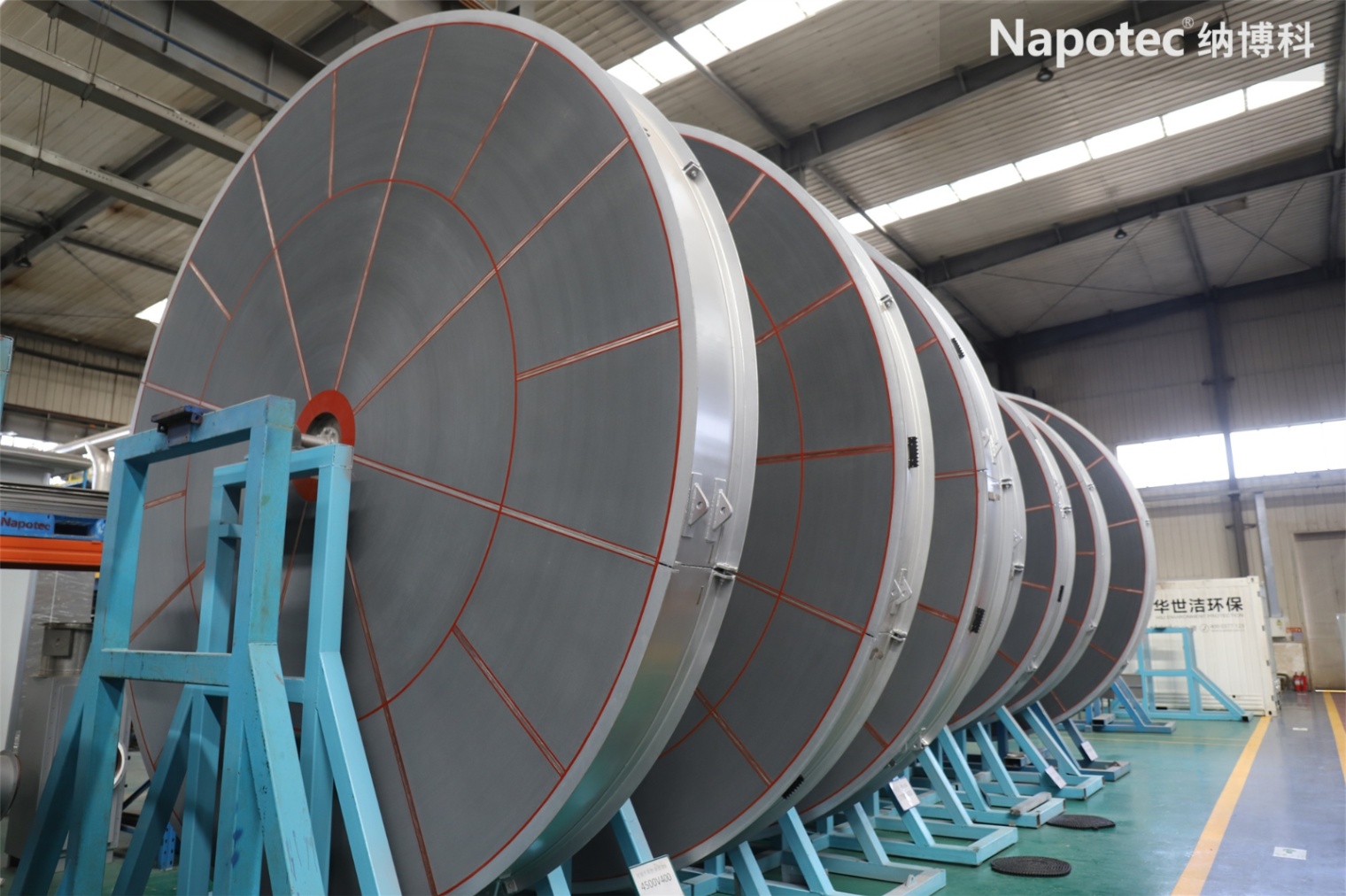
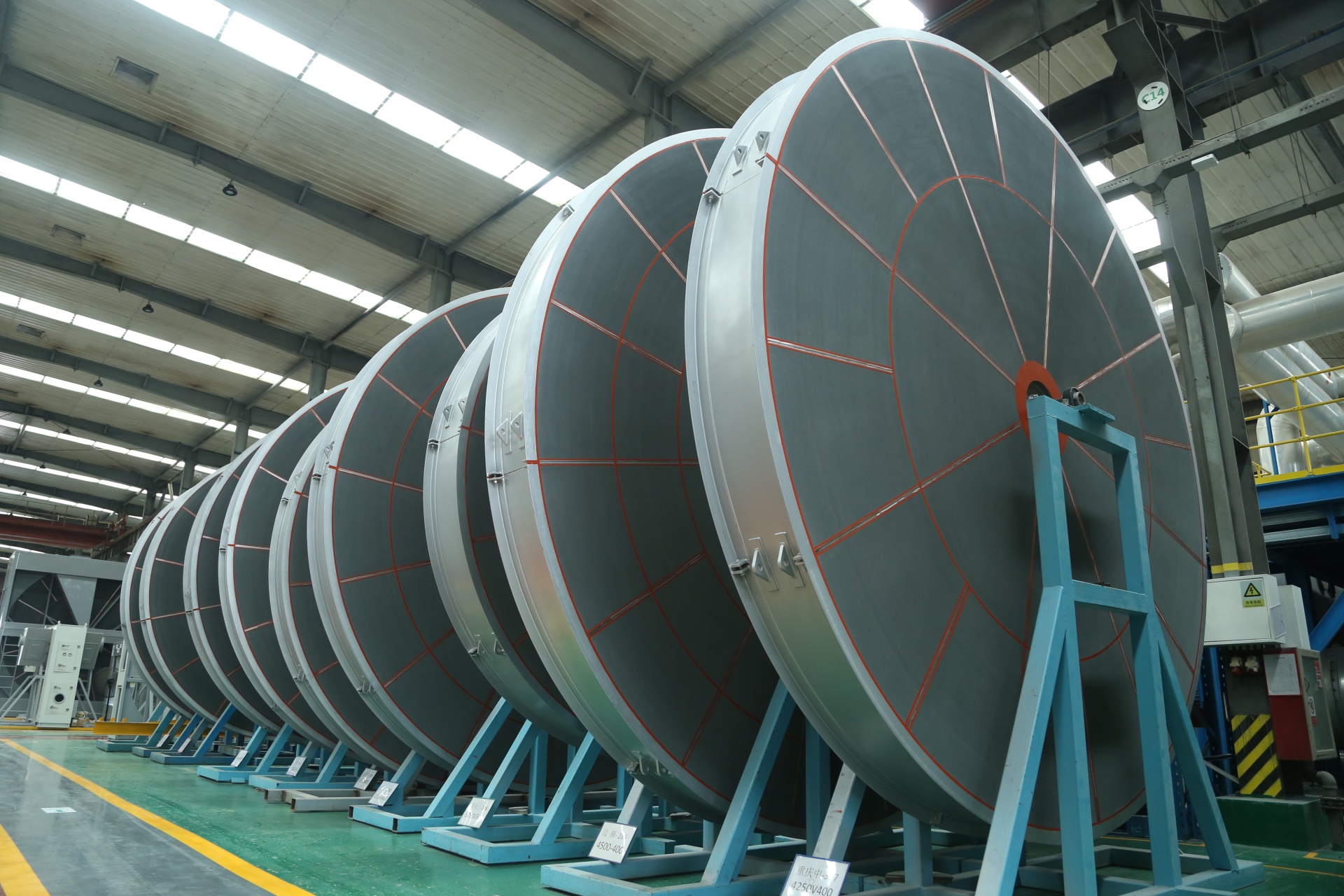
Is it better for zeolite rotary wheels to have a higher concentration ratio? Remember these four golden rules when choosing the model.
In the field of VOCs waste gas treatment, "zeolite rotor adsorption concentration + post-stage incineration" has become the mainstream combined process for large-volume and low-concentration waste gas. Many enterprises are confused when choosing the type: Is the concentration ratio the higher, the better?
Some projects directly require "a concentration ratio of no less than 20 times". However, if the ratio is wrong, it not only wastes investment but may also bring safety hazards. This article will clearly explain the selection logic of the concentration ratio.
01 What is the concentration ratio?
The concentration ratio is the ratio of the adsorption treatment air volume to the desorption air volume. Taking 100,000 air volume of low-concentration waste gas as an example: The waste gas enters the adsorption zone, VOCs are retained by the zeolite, then the rotor rotates to the desorption zone, with 10,000 air volume of hot air blowing out VOCs, the concentration ratio is 10 times. 100,000 air volume of waste gas is "compressed" to 10,000 air volume of high-concentration waste gas, and the scale of the subsequent equipment is significantly reduced.
The calculation formula for the concentration ratio is n = (S₁ × V₁) / (S₂ × V₂), where S₁ and S₂ are the areas of the adsorption zone and the desorption zone, and V₁ and V₂ are the wind speeds of the two zones. In actual engineering, manufacturers usually set it through air volume ratio, and the common range in the industry is 5–30 times.
02 Rule 1: Look at the initial concentration of the waste gas
Low-concentration waste gas (50–300mg/m³) can appropriately choose a higher ratio, and it is less likely to exceed the limit after concentration, and the scale of the subsequent equipment is smaller and the investment is lower; medium-high concentration waste gas (300–1000mg/m³) needs to compress the ratio range to avoid the concentration exceeding the safe operation range after desorption. The higher the concentration, the more conservative the ratio should be.
03 Rule 2: Look at the composition of the waste gas
Organic substances with high boiling points and prone to polymerization (such as some resins, high-boiling-point solvents) should not be set with a higher ratio: These substances require higher temperatures and more sufficient heat exchange for desorption, and if the ratio is too high, the desorption may not be sufficient, leading to the accumulation of micro-pores over time. Small molecules and volatile components (such as toluene, acetone) have a wider adaptation range and are easy to desorb, even if the ratio is high, they are not likely to remain. Judging by the calorific value: High-calorific substances can appropriately increase the ratio, using the combustion calorific value to reduce energy consumption.
04 Rule 3: Look at the post-stage process
The recommended range of the concentration ratio varies significantly depending on the post-stage process:
1. Catalytic combustion (CO): It is recommended 8–15 times, and if the concentration is too high, it may cause the catalyst to sinter and fail;
2. Regenerative Thermal Oxidizer (RTO): It can be relaxed to 10–20 times, with a thermal recovery efficiency of over 95%, but if the concentration is too high, it may still exceed the design explosion limit, and additional dilution or explosion-proof devices need to be added;
3. Condensation recovery: Usually 5–10 times, it needs to be adjusted according to the boiling point of VOCs, and if the concentration is too high, it may cause the viscosity of the condensate to increase and block the pipeline.
05 Rule 4: Guard the safety red line
According to the "Technical Specification for Adsorption Method for Industrial Organic Waste Gas Treatment" (HJ 2026-2013), the concentration of organic substances after desorption should be strictly controlled below 25% of the lower explosive limit (LEL). This is the lifeline for the safe operation of the system, and in high-concentration conditions, a concentration monitoring and automatic dilution system must be configured.
06 Combined with speed and temperature as the "iron triangle"
The concentration ratio, rotor speed, and desorption temperature are interrelated: An increase in the ratio usually means a reduction in the desorption air volume. If the temperature does not adjust accordingly, the heat exchange may not be sufficient; when the speed remains unchanged, the residence time may also be insufficient. A change in one parameter often requires the other two to be adjusted in tandem, which is why the selection and debugging must be completed by professional manufacturers.
07 Professional selection, precise matching
The selection of the concentration ratio should be comprehensive considering the concentration, composition of the waste gas, post-stage process, and safety red line, and form a dynamic balance with the speed and temperature. If you make the right choice, your investment will be economical and the cost will be low; if you make the wrong choice, it could lead to low efficiency at best, or even huge safety risks at worst.