
Home > Industry Solutions

Pharmaceutical industry
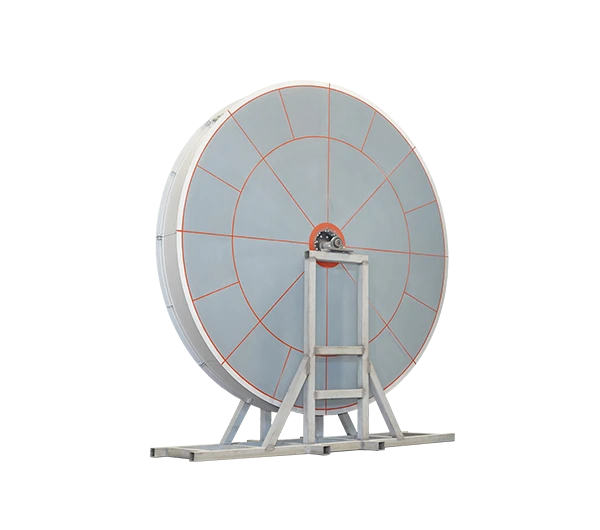
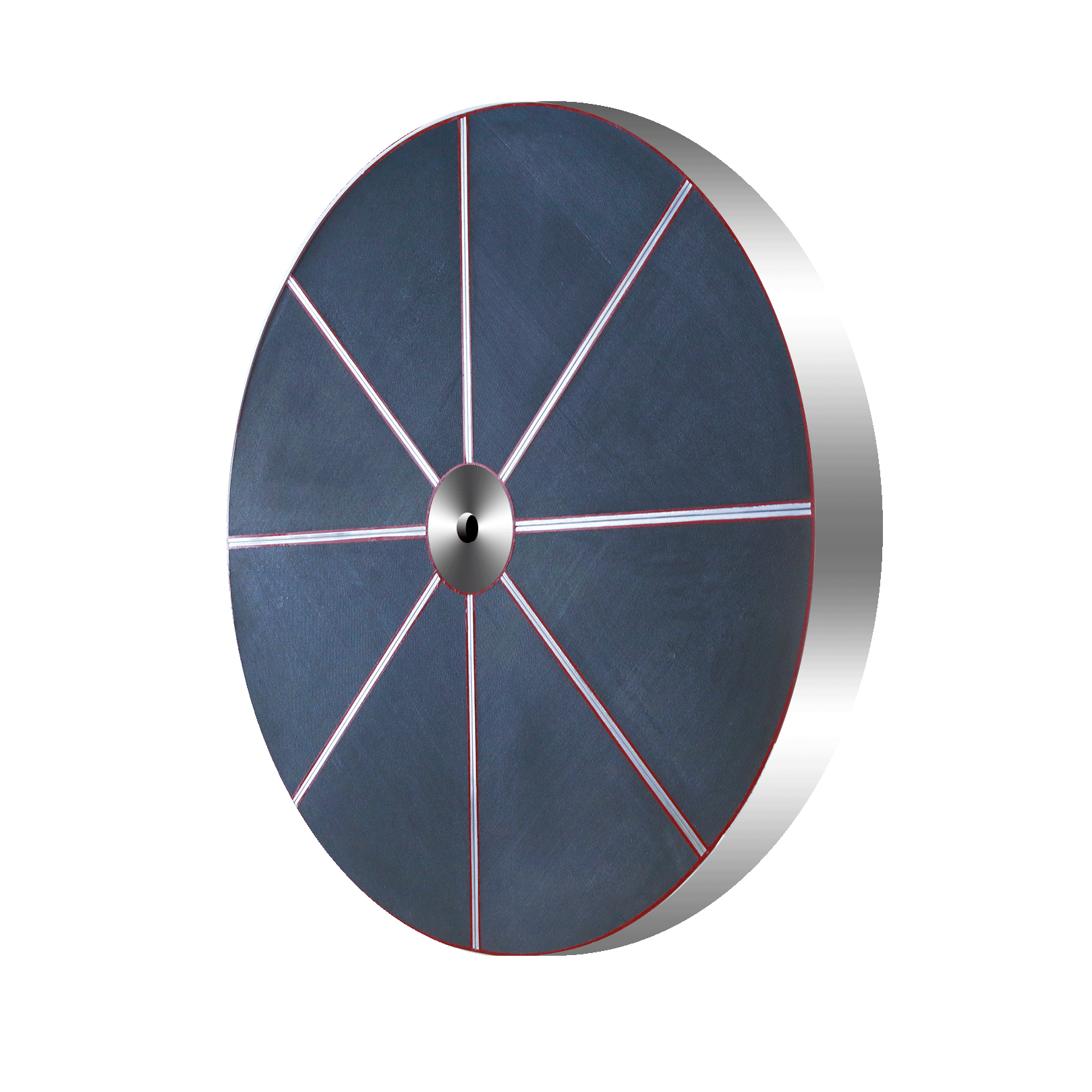
It includes the production of chemical synthetic drugs, biopharmaceuticals, antibiotics, and other pharmaceuticals. The waste gas mainly comes from the fermentation, extraction, purification, drying and other process stages. The VOCs emitted during pharmaceutical production have the characteristics of large flow rate, large concentration fluctuations, and complex composition. The zeolite rotor can perfectly match the large flow rate and low concentration VOCs emission scenarios in pharmaceutical workshops.
Exhaust gas composition: The fermentation section contains ethanol, acetone, ethyl acetate, etc.; the extraction section generates dichloromethane, methanol, etc.; the purification section emits toluene, xylene, etc. aromatic hydrocarbons.
Exhaust gas flow rate: The treatment flow rate ranges from 2,000 m³/h to 100,000 m³/h, and for large-scale projects, it can reach over 500,000 m³/h.
Exhaust gas concentration: 50 - 1,200 mg/m³, typical concentration is about 800 - 2,000 mg/m³; approximately 500 mg/m³ (fluctuating).
Related Documents Download
Related Documents Download
Contact Us400-609-2658
Exhaust Gas Characteristics
Relying on differentiated technical processes to match exhaust gas composition characteristics and meet various environmental compliance standards
Recommended Products
In response to the characteristics of waste gas in the chemical industry, we employ advanced purification techniques to effectively reduce pollutant emissions.
Project Cases
3,500+ project cases, serving many well-known enterprises with a mature and complete technical system
Get Your Exclusive Solution
Industry-wide VOCs comprehensive waste gas treatment solutions - integrated environmental solution of engineering, products, materials and operation & maintenance
Open Cooperation Channels, Cultivate the Environmental Protection Field Together
Whether you need equipment selection, technical consultation, or win-win cooperation, the Napotec professional team is always at your service.
Document Download
Fill in the information below to download the documents