An effective tool for treating organic waste gas - Naboco molecular sieve rotor
Since January 1, 2015, the newly revised Environmental Protection Law has been implemented, clearly stipulating that enterprises, institutions and other producers and operators who illegally discharge pollutants such as wastewater and organic gases will be subject to fines, ordered to make corrections, and if they refuse to do so, they will be subject to continuous penalties based on the original fine amount on a daily basis. This has brought unprecedented pressure to pollution-emitting enterprises, forcing them to take effective measures to treat organic gases and carry out pollution control, otherwise they will not be able to survive.
Due to increasingly strict laws and regulations and the growing environmental awareness of people, the previously common high-concentration gas emissions will gradually decrease, and more pollution sources will show a trend of low concentration and large volume. For such organic gas compositions, if the traditional activated carbon adsorption method is still used for gas treatment, it is not very feasible. The activated carbon particles are prone to wear and powdering under the action of large wind volume, and the air resistance is also large. In addition, due to their flammability, this type of gas treatment equipment is difficult to use safely and stably and is gradually being replaced. The quality of the gas treatment equipment mainly depends on whether the installation process and preventive measures are reasonable.
European, American, and Japanese countries and regions are ahead of us in environmental protection and have advanced treatment technologies that are worthy of our reference. Currently, when foreign countries handle gas emissions under the same circumstances, they generally use adsorption and concentration equipment to pre-treat organic gases, increasing the VOCs concentration in the gas by 10-20 times, making it suitable for the subsequent treatment using commonly used RTO equipment. Compared with directly using RTO to treat organic gases, this greatly reduces the workload and energy consumption, has significant economic benefits, and is safer and more stable in operation.
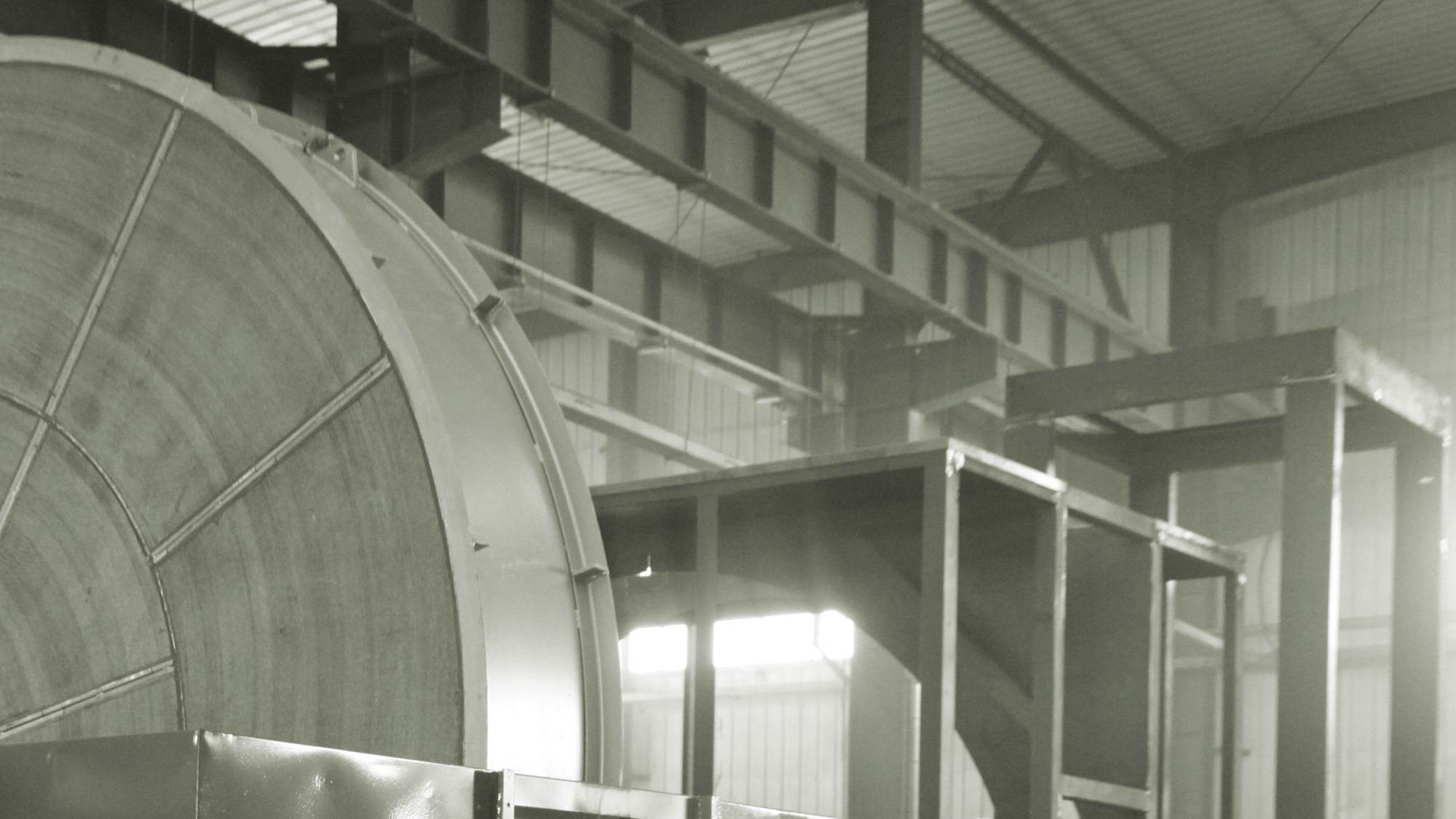
At present, the equipment for organic gas concentration projects in China mainly uses imported materials processed. The cost is high. How to break through this technical barrier through independent research and development and produce domestically produced materials with good quality and reasonable prices is the motivation for Nabok to actively strive, and it is also the core that enables Nabok to currently become a technical leader. We not only lead the trend of environmental protection technology, but also master core materials such as zeolite molecular sieve adsorption wheels, high-water-resistant honeycomb activated carbon, and high-adhesion activated carbon fibers. We have over 600 successful cases of domestic and foreign projects, solving the gas treatment problems for many domestic enterprises and providing them with reasonable, safe and reliable solutions.