The Napotec® molecular sieve rotor is a key application in VOCs treatment technology
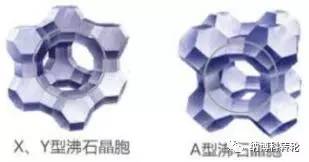
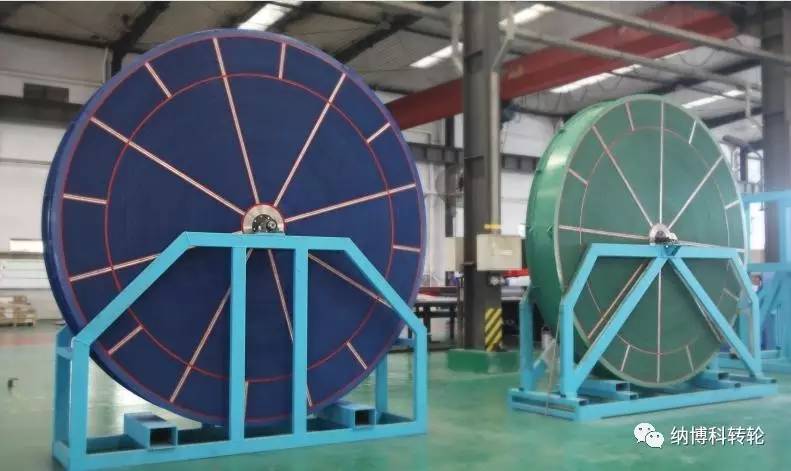
Qingdao Nabok Environmental Protection Co., Ltd. specializes in industrial waste gas treatment. It innovatively combines special ceramic fiber paper with honeycomb body forming and processing techniques to produce honeycomb carriers with excellent performance. Combined with high-silicon-aluminum ratio hydrophobic molecular sieves, it has created the excellent adsorption performance of Napotec® molecular sieve rotary wheels. In addition, the molecular sieve concentration rotary wheel consists of an adsorption zone, a desorption zone, and a regeneration zone. The rotary wheel operates continuously in each zone, concentrating low-concentration, high-volume organic waste gas into high-concentration, low-volume organic waste gas. It is currently an ideal choice for the treatment of VOCs waste gas.
VOCs must be addressed
VOCs are highly irritating and toxic, and some even have "teratogenic, carcinogenic, and pathogenic" properties. The most stringent "Air Pollution Prevention and Control Law" in history clearly stipulates that for the production, import, sale, and use of raw materials and products containing volatile organic compounds, the volatile organic compound content should comply with quality standards or requirements. The "13th Five-Year Plan" also includes VOCs in the total control target. The treatment of VOCs is of vital importance to the atmospheric environment.
The technological trend is towards combination
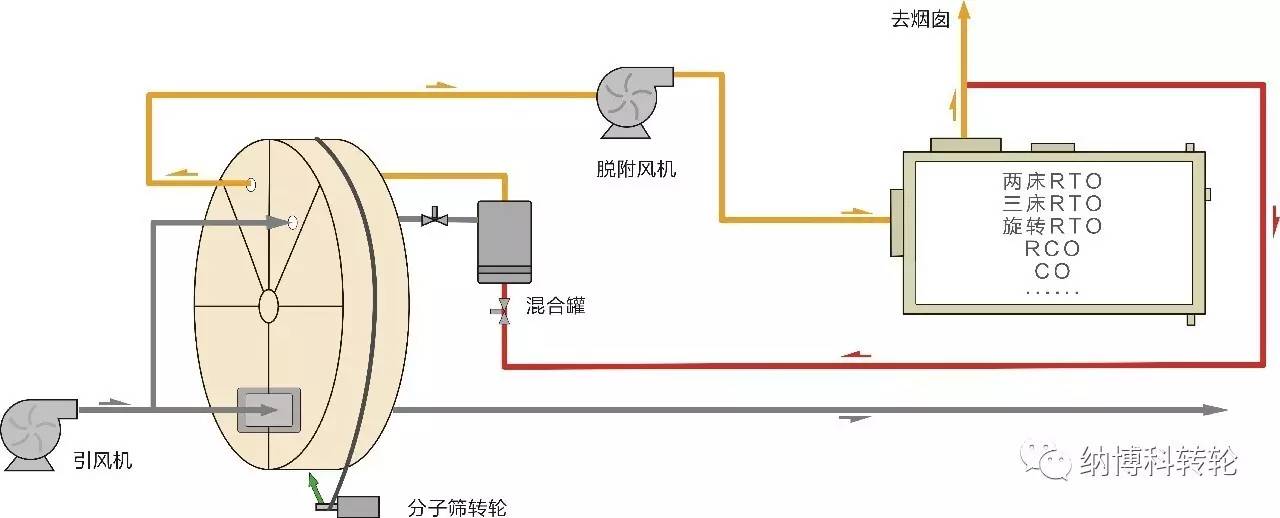
The combination of Napotec® molecular sieve adsorption-concentration rotor technology and thermal oxidation incineration technology caters to the current technological trend. Its treatment process utilizes the high adsorption performance of zeolite molecular sieves to adsorb and concentrate the organic waste gas, and then the RTO equipment purifies and treats the concentrated organic waste gas. The following figure is the combined VOCs treatment process diagram of Napotec® molecular sieve rotor and RTO.
Working Principle of Napotec® Molecular Sieve Wheel
The Napotec® molecular sieve wheel transforms "high volume, low concentration" industrial waste gas into "low volume, high concentration" industrial waste gas. When VOCs waste gas passes through the treatment area, the waste gas components are adsorbed by the adsorbents in the wheel, while the gas itself is purified and discharged. As the adsorbents accumulate, the wheel gradually approaches adsorption saturation and its adsorption capacity decreases. At this point, in the regeneration area, hot air will pass through the adsorbed saturation wheel, causing the adsorbed components to detach from the adsorbents and be carried away, thereby restoring the wheel's adsorption capacity. Finally, the hot gas carrying the desorbed waste gas components will enter a dedicated oxidation device for oxidation treatment. The final product is mainly water and carbon dioxide. The Napotec® molecular sieve adsorption concentration wheel continuously rotates throughout the process to ensure the continuity of the process operation and to ensure that adsorption and regeneration are a continuous process.
Compared with traditional technologies, the Napotec® molecular sieve adsorption concentration wheel is safer and more reliable, with lower investment and energy consumption. The entire equipment has good stability and is durable. Currently, the molecular sieve treatment products led by Qingdao Napotec® Environmental Protection have been applied in multiple large-scale projects and have achieved good results. The adsorption rate of domestic products is gradually reaching the level of foreign similar products, and the cost is further reducing, promoting a new technological step in the domestic industry.
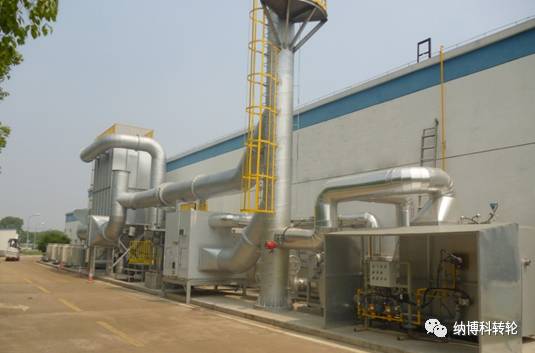
Actual application case of Napotec® molecular sieve adsorption concentration wheel:
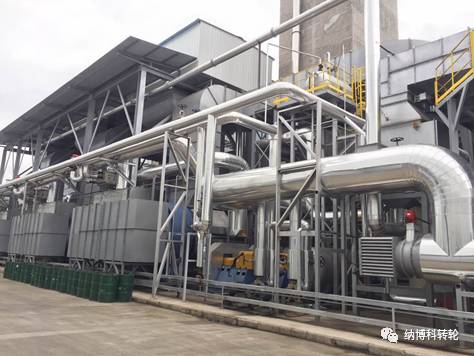
A certain Automobile Company in Chongqing
Wuxi Certain Seismic Rubber Co., Ltd.