Napotec® Molecular Sieve Wheel Typical Project Application Case
Qingdao Napotec® Environmental Protection Co., Ltd. (hereinafter referred to as Napotec® Environmental Protection) produced the first molecular sieve rotor product in China in March 2014. With its outstanding performance such as strong adsorption selectivity, high hydrophobicity, strong adsorption capacity, large adsorption capacity, and high temperature resistance, it has been favored by many enterprises. As of 2026, it has successfully provided waste gas treatment solutions for 3,500+ enterprises.
Here are typical project application cases:
1. Molecular sieve rotor + catalytic oxidation
Project name: Waste gas treatment project for rubber coating and drying in a certain anti-seismic rubber company in Wuxi
Project basic information: This project is used to treat the waste gas generated from the rubber coating and drying sections. The main pollutants of the waste gas are toluene, ethanol, xylene, butanone, isopropanol, etc., with a concentration of 1900mg/m³.
Processing flow diagram:
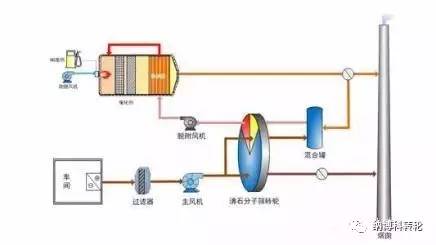
Construction scale: The total processing capacity of waste gas is 25,000 m³/h, and there is 1 set of equipment.
Treatment effect: The treatment effect meets the secondary emission standard of "Integrated Emission Standard for Air Pollution GB16297-1996", and the removal rate of main pollutants is > 95%.
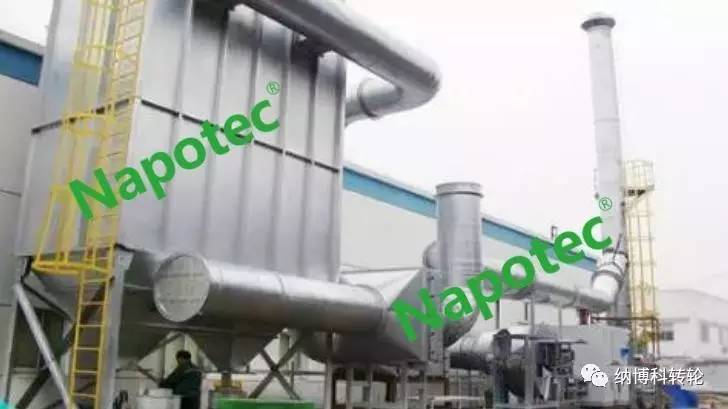
Wuxi Certain Anti-Vibration Rubber Co., Ltd. Exhaust Gas Treatment Equipment Diagram
II. Molecular Sieve Wheel + Regenerative Oxidation
Project Name: Pharmaceutical Exhaust Gas Treatment Project of a Certain Pharmaceutical Company in Zhejiang
Project Overview: This project is used to treat the exhaust gas generated from the pharmaceutical production process. The main pollutants of the exhaust gas are benzene, alcohols, and dichloromethane.
Process Flow Diagram for Treatment: The total processing capacity of the project is 25,000 m³/h, and there is 1 set of equipment.
Process Flow Diagram:
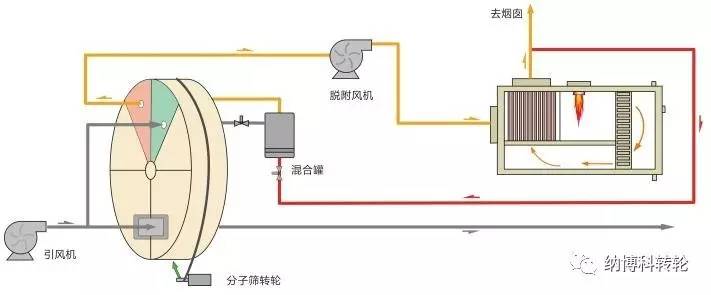
Treatment effect: The treatment has met the secondary emission standard of "Integrated Emission Standards for Air Pollutants GB16297-1996", with the removal rate of major pollutants exceeding 99%.
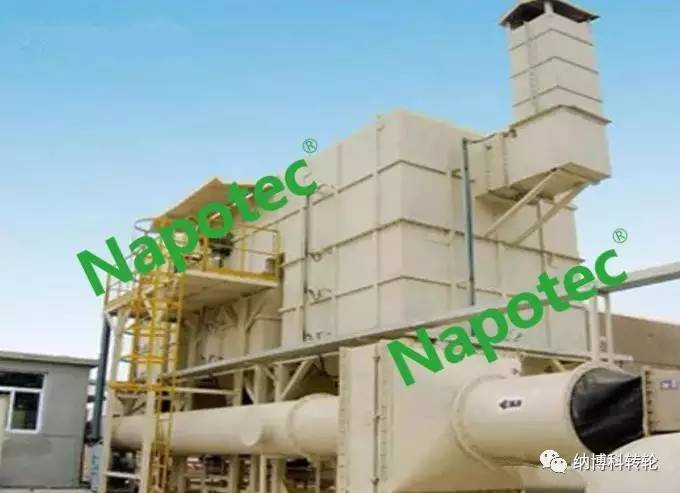
Case Study of Waste Gas Treatment Project for a Pharmaceutical Company in Zhejiang
III. Molecular Sieve Wheel + Regenerative Oxidation
Project Name: Waste Gas Treatment Project for Automobile Assembly Coating at a Certain Automobile Company in Tianjin
Project Overview: This project is designed to treat the waste gas generated from the coating process of automotive components. The main pollutants in the waste gas include toluene, xylene, butanone, isopropanol, etc., with a concentration of 200mg/m3.
Process Flow Diagram:
Construction scale: The total processing capacity of waste gas is 140,000 m³/h, and there is 1 set of equipment.
Treatment effect: The treatment effect meets the secondary emission standard of "Integrated Emission Standard for Air Pollution GB16297-1996", and the removal rate of main pollutants is > 95%.
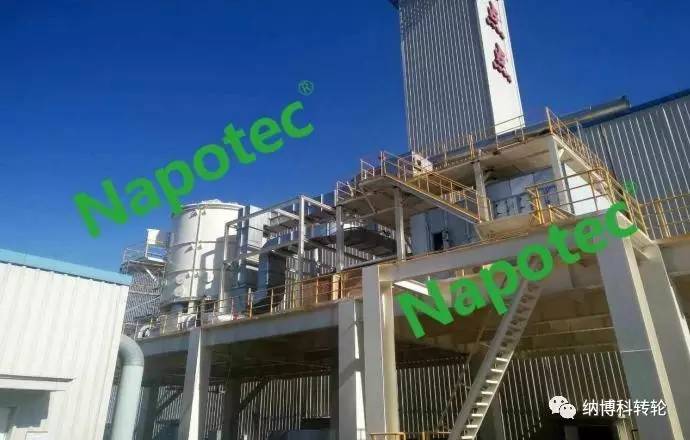
Site of the Vehicle Assembly Painting Exhaust Gas Treatment Project of a Certain Automobile Joint Stock Company in Tianjin
IV. Molecular Sieve Wheel + Catalytic Oxidation
Project Name: Exhaust Gas Treatment Project for Spray Painting at a Certain Container Manufacturing Company in Qingdao
Project Overview: This project is for the exhaust gas generated from the spray painting section of containers. The main pollutants of the exhaust gas are toluene, xylene, butanone, etc.
Construction Scale: The total exhaust gas treatment capacity is 14,000 m³/h, and the exhaust gas concentration is 200 mg/m³.
Treatment Process Flow Chart:
Treatment effect: The treatment has met the secondary emission standard of "Integrated Emission Standards for Air Pollutants GB16297-1996", with the removal rate of major pollutants exceeding 99%.
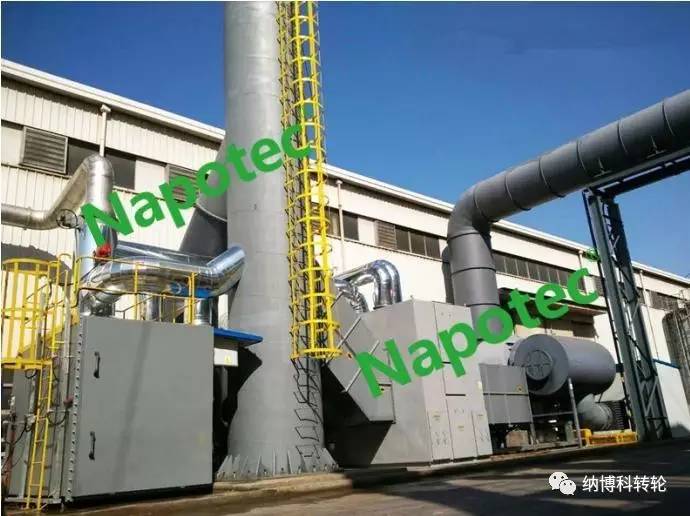
The site of the spray painting waste gas treatment project of a certain container manufacturing company in Qingdao