The VOCs emission reduction plan for industrial painting in Henan Province requires enterprises to achieve compliance by June 30.
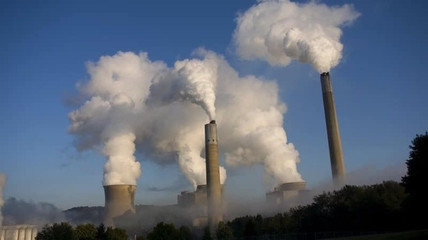
In recent years, environmental protection campaigns have swept through the coatings industry, affecting many enterprises and making it a necessary trend for them to suspend production and carry out rectification. It is reported that by June 30, 2017, 2,365 manufacturing enterprises in Henan Province, including those in the automotive, furniture, construction machinery, steel structure, sheet material, and container industries, must complete the treatment to meet the standards for VOCs emissions. The VOCs emissions must comply with the "Control Standards for Unorganized Emissions of Volatile Organic Compounds" and the "Emission Standards for Atmospheric Pollutants from the Coatings, Inks and Adhesives Industry".
(1) Automotive Manufacturing Industry
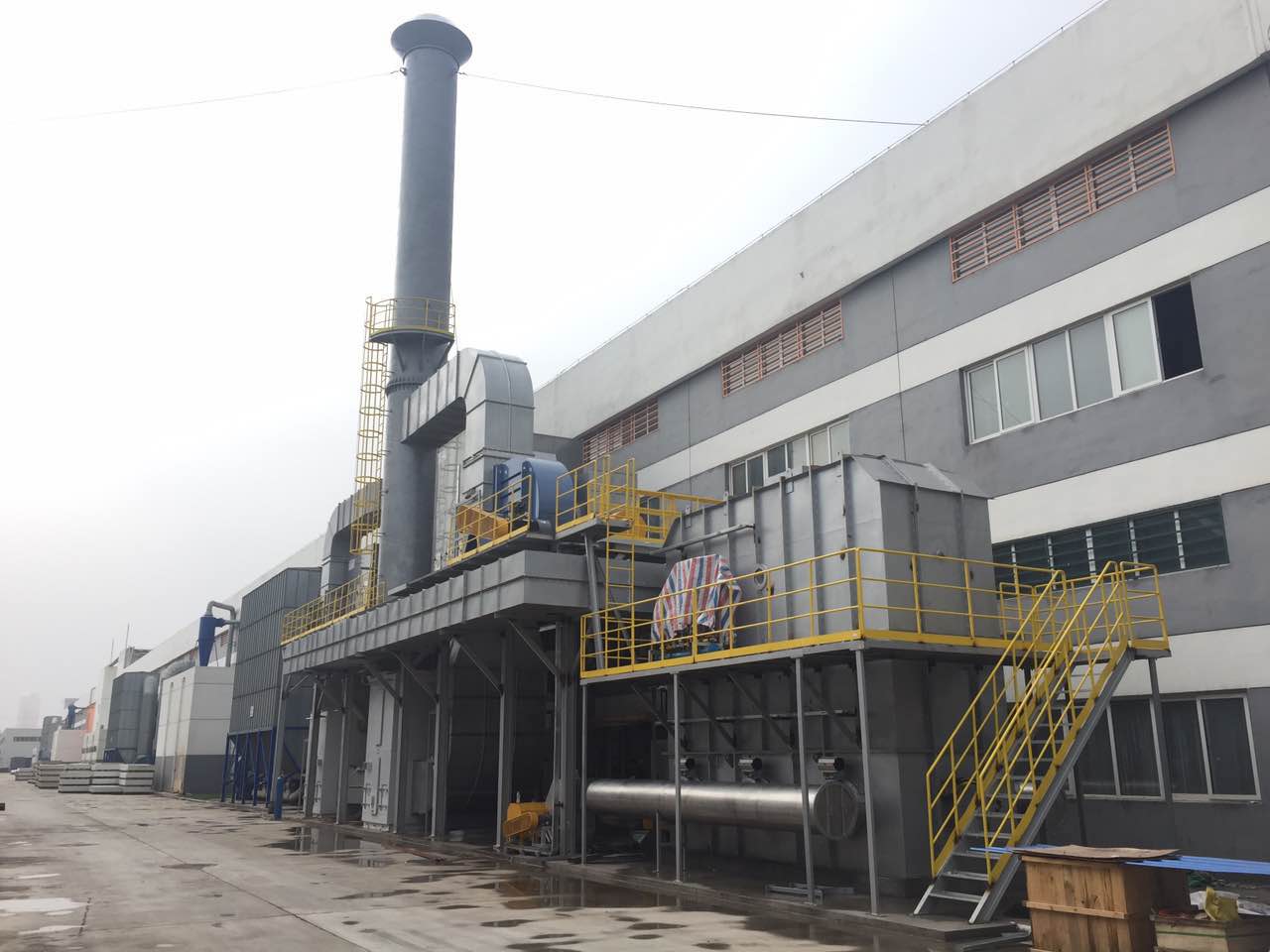
Accelerate the VOCs emission treatment for enterprises in the entire vehicle manufacturing, modified vehicle manufacturing, automotive component manufacturing, steel structure manufacturing, sheet material manufacturing, and container manufacturing sectors. Promote the use of high-solid content and water-based paints, and adopt "three-coat-one-drying" or "two-coat-one-drying" compact coating processes; establish a classified collection system for organic waste gas, with the collection rate of organic waste gas in automotive manufacturing enterprises not less than 90%, and in other automotive manufacturing enterprises not less than 80%; take end-of-pipe treatment measures such as incineration for the waste gas generated in the spray painting, leveling, and drying processes. The comprehensive removal rate of VOCs in automotive manufacturing enterprises should reach over 70%, and that of other automotive manufacturing enterprises should reach over 50%.
Completely ban open-air and exposed spray painting operations. Vigorously promote the use of water-based and high-solid content paints, with the substitution rate reaching over 30%. Verify with the enterprise's product output and paint purchase receipts; vigorously promote the use of water-based adhesives, with the substitution rate reaching over 50%, verified with the enterprise's product output and adhesive purchase receipts. Strengthen the classification collection and treatment of waste gas, with the collection rate of organic waste gas not less than 80%. The spray painting, leveling, and drying processes must be carried out in spray and baking rooms, and the spray guns using solvent-based paints must be sealed for cleaning, with the generated VOCs collected and introduced into the treatment facilities.
(2) Furniture Manufacturing Industry
Focus on large wooden furniture enterprises in the province, vigorously promote the use of water-based and ultraviolet light-curing paints, with the substitution rate reaching over 30%, verified with the enterprise's product output and paint purchase receipts; vigorously promote the use of water-based adhesives, with the substitution rate reaching over 50%, verified with the enterprise's product output and adhesive purchase receipts. Strengthen the classification collection and treatment of waste gas, with the collection rate of organic waste gas not less than 80%. For the waste gas from spray painting, leveling, and drying processes, take end-of-pipe treatment measures such as incineration.
(3) Construction Machinery Manufacturing Industry
Promote the use of high-solid content paints, with the usage rate reaching over 20%, verified with the enterprise's product output and paint purchase receipts. Strengthen the collection and treatment of waste gas, with the collection rate of organic waste gas not less than 80%, and treat the spray painting and drying waste gas using incineration methods. The comprehensive removal rate of VOCs in construction machinery manufacturing enterprises (including raw material substitution) should reach over 50%.
(4) Steel Structure Manufacturing Industry
Promote the use of high-solid content paints, with the usage rate reaching over 20%, verified with the enterprise's product output and paint purchase receipts. Gradually eliminate open-air spraying of steel structures, and promote the entry of steel structure manufacturing enterprises into workshop operations, and build waste gas collection and treatment facilities. The comprehensive removal rate of VOCs in steel structure manufacturing enterprises (including raw material substitution) should reach over 30%.
(5) Sheet Material Manufacturing Industry
Completely promote the use of mechanized automatic roller coating technology; strengthen the collection of baking waste gas, with the collection rate reaching over 90%, and provide efficient treatment measures such as incineration. The comprehensive removal rate of VOCs in sheet material manufacturing enterprises should reach over 80%.
(6) Container Manufacturing Industry
In all processes such as sanding of the entire container, container interior coating, container exterior coating, bottom frame coating, and wood board coating, use water-based paints instead of solvent-based paints, with the substitution rate reaching over 80%, verified with the enterprise's product output and paint purchase receipts. For the sanding process once, promote the use of roller coating process; Strengthen the collection and treatment of exhaust gases. The collection rate of organic waste gases should not be lower than 90%, and efficient treatment facilities such as solvent recovery and catalytic combustion should be equipped. The comprehensive removal rate of VOCs (including raw material substitution) for container manufacturing enterprises should reach over 80%.