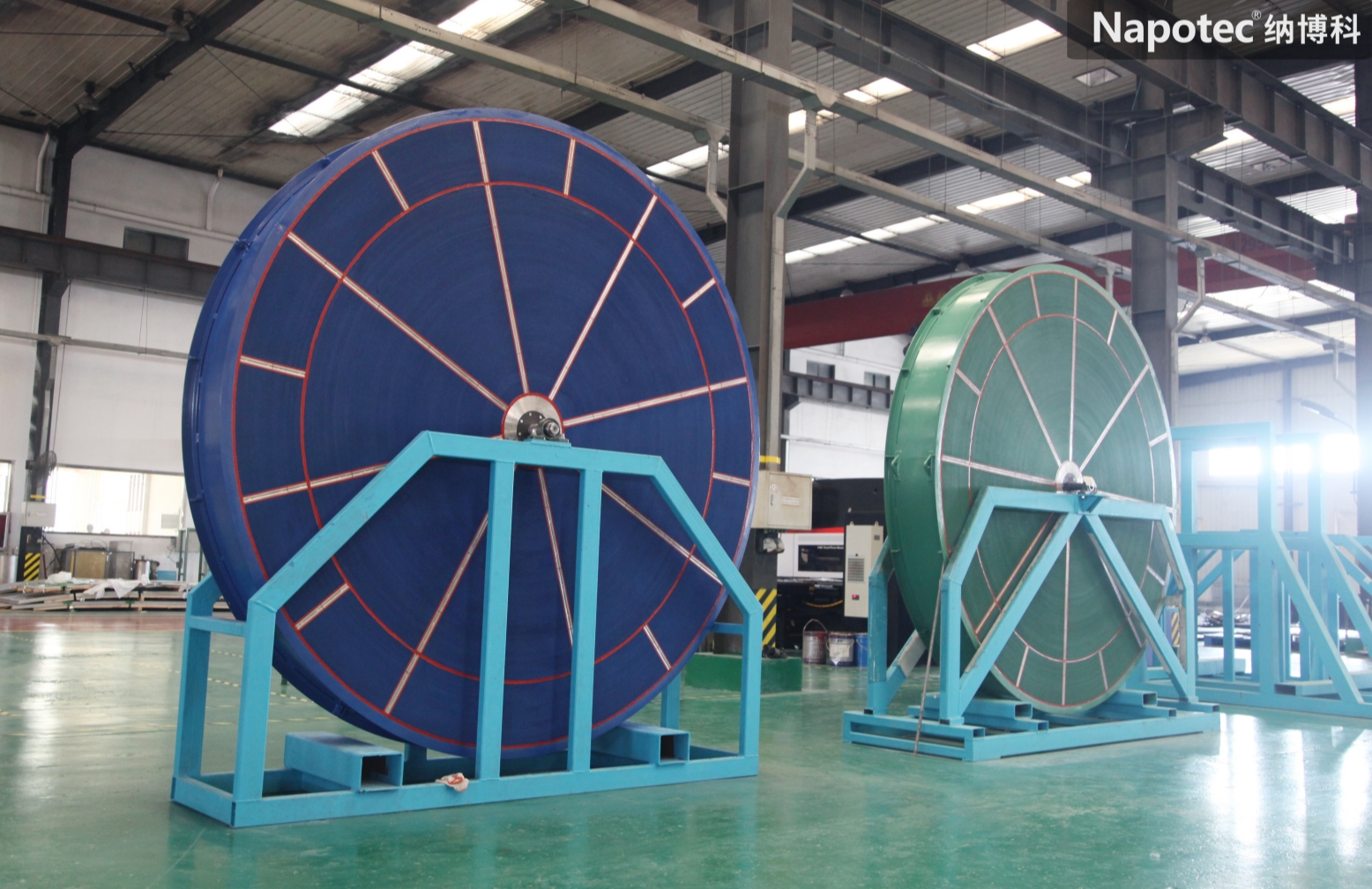
Which industries' VOCs waste gas is suitable for treatment by zeolite rotors?
With the continuous tightening of domestic environmental protection emission standards, the treatment of VOCs waste gas by industrial enterprises has become a key focus of environmental operation and maintenance. The zeolite rotor (molecular sieve concentration rotor) has advantages such as continuous adsorption and concentration, stable operation, high safety, and low hazardous waste production, and is combined with RTO (regenerative thermal oxidation) and CO (catalytic combustion) processes to become the mainstream treatment solution for large-volume, low-concentration VOCs waste gas. Many enterprises will consult the zeolite rotor for its suitability for different industries and operating conditions during the selection of waste gas projects. Qingdao Nabokoo, based on its years of experience in waste gas treatment projects, has sorted out the types of VOCs waste gas that the zeolite rotor can handle and has explained the applicable boundaries to help enterprises quickly determine the feasibility of the solution.
I. Core Principles of Zeolite Rotor for VOCs Waste Gas Treatment
The core logic of the zeolite rotor is three-stage continuous operation: adsorption - desorption - cooling. After pre-treatment by the front-end filter, the low-concentration, large-volume organic waste gas enters the rotor's adsorption zone, where hydrophobic zeolite molecular sieves capture VOCs molecules in the waste gas, and the clean air is directly discharged in compliance with standards. As the rotor rotates slowly, the saturated adsorption area enters the desorption zone, where 180-220℃ hot air removes the VOCs, forming a 5-30 times concentrated, high-concentration waste gas with a small volume, which is sent to the RTO/CO equipment for oxidation and decomposition. The desorption completed rotor area enters the cooling zone to cool down, and then returns to the adsorption zone for cyclic operation.
Core applicable conditions: large volume, low concentration, waste gas temperature < 40℃, dust / paint mist pre-treated; not suitable for waste gas containing a large amount of high-boiling-point resins, high salt, high silicon, halogens, sulfur components (which can cause zeolite poisoning and clogging).
II. Industries Suitable for Handling VOCs Waste Gas by Zeolite Rotor
1. Industrial painting industry (automotive parts, mechanical spraying, sheet metal painting)
The painting and drying processes in the painting industry produce large-volume, low-concentration benzene series and ester-type VOCs, with fluctuating waste gas volume. The zeolite rotor concentration + RTO/CO solution has stable purification efficiency and is widely used in整车厂、汽车配件、工程机械、金属构件喷涂车间.
2. Packaging printing industry (offset printing, composite, soft packaging)
The emission of ethyl acetate, ethanol, acetone and other solvent waste gas from the printing, drying processes has large volume and low concentration. The zeolite rotor has good adsorption effect on alcohol and ester-type organic waste gas and is the mainstream process for VOCs treatment in soft packaging printing enterprises.
3. Electronic semiconductor manufacturing industry
The organic waste gas produced by electronic component cleaning, gluing, coating, and lithography processes, such as IPA and acetone, has relatively clean components and few particles. The zeolite rotor system operates stably and meets the waste gas treatment requirements for continuous production in semiconductor workshops.
4. Furniture manufacturing industry (solid wood, panel furniture painting)
The painting and drying processes in furniture manufacturing produce VOCs such as benzene, toluene, and xylene. The zeolite rotor, combined with front-end paint mist filtration, can effectively handle the waste gas from furniture factories and meet local environmental protection emission standards stably.
5. Fine chemical, coating and ink production industry
The waste gas emissions from reaction vessels, storage tanks, and breathing ports in coating, resin, and adhesive production workshops. The waste gas components are complex, and complete pre-treatment is required. After assessment, the zeolite rotor concentration process can be adopted to treat low-concentration tail gas.
6. Pharmaceutical and pharmaceutical industry
The exhaust from raw material synthesis, solvent recovery, and formulation workshops contains VOCs such as alcohols and ethers. Low-concentration tail gas is suitable for zeolite rotor concentration treatment; high-concentration, halogen-containing waste gas needs to be evaluated for process feasibility.
7. Other applicable industries
For scenarios where there is a large volume of low-concentration organic waste gas, such as rubber plastic coating, artificial leather, cable enamelled wire, composite materials, and ship component spraying, etc., a zeolite rotor VOCs treatment system can be selected based on the parameters of the waste gas.
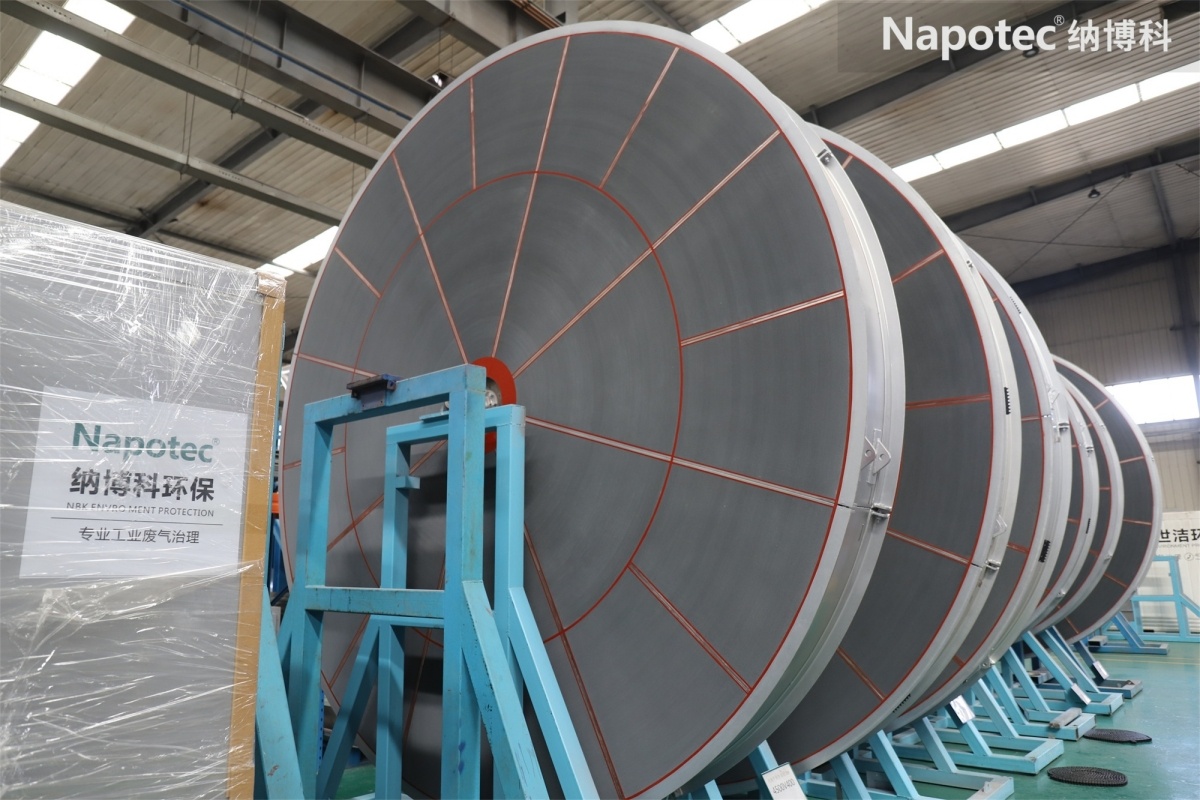
III. Unsuitable Exhaust Gas Conditions for Zeolite Rotors (Selection Avoidance)
Zeolite rotors are not universal. The following conditions are not recommended to be directly selected; otherwise, it may cause zeolite poisoning, blockage, and a sharp decline in lifespan:
1. The exhaust gas contains a large amount of sulfur, chlorine, fluorine and other halogen substances, and combustion will produce acidic corrosive gases;
2. The exhaust gas contains a large amount of high-boiling-point tar, resin, and heavy organic substances, and desorption is difficult, causing blockage of zeolite micropores;
3. The humidity of the exhaust gas is always above 80% and without dehumidification pre-treatment, it will significantly reduce the adsorption capacity of zeolite;
4. High-concentration VOCs exhaust gas (>1000mg/m³) should prioritize RTO direct incineration or condensation recovery, and it is not recommended to use zeolite rotor concentration.
FQA Common Questions (Title: FAQ for Zeolite Rotator VOCs Treatment)
Q1: What is the general purification efficiency of zeolite rotors for VOCs?
A: Under normal conditions and with complete front-end pre-treatment, the single-stage adsorption efficiency of zeolite rotors can reach 90% - 97%; the comprehensive VOCs removal rate of the entire zeolite rotor + RTO/CO system can reach over 95%, meeting the emission standards of most regions.
Q2: How long does the zeolite rotor have a lifespan? How often does it need to be replaced?
A: The lifespan of the zeolite rotor depends on the dust, tar, corrosive components in the exhaust gas and daily operation. Under normal clean conditions, the lifespan of the zeolite module can reach 5 - 8 years; in environments with more paint fumes and dust, the lifespan will be shorter, and regular maintenance and cleaning are required.
Q3: Compared with activated carbon adsorption, what are the advantages of zeolite rotors?
A: Zeolite is an inorganic molecular sieve material, non-flammable, and the safety risk of high-temperature desorption is much lower than that of activated carbon; activated carbon is saturated and belongs to hazardous waste, and replacement is frequent, with high disposal costs for hazardous waste; zeolite can be repeatedly regenerated, with very little hazardous waste generation, suitable for 24-hour continuous production in factories.
Q4: When an enterprise purchases zeolite rotor equipment, what exhaust gas parameters need to be provided?
A: It is necessary to provide exhaust gas volume, exhaust gas temperature, relative humidity, VOCs concentration, exhaust gas components, emission requirements, on-site installation space, and engineers from Qingdao Nabokoo will customize a complete set of zeolite rotor VOCs treatment solution based on the parameters.
Q5: Must zeolite rotors be used in combination with RTO? Can they be combined with CO catalytic combustion?
A: Both are possible. For low-concentration, simple-component exhaust gas, zeolite rotor + CO can be selected; for large exhaust gas volume and high-temperature conditions, zeolite rotor + RTO heat recovery combustion has better thermal recovery effect and can reduce fuel consumption. Nabokoo can recommend appropriate back-end processes based on the on-site conditions.
In conclusion, zeolite rotors are most suitable for large-volume, low-concentration VOCs exhaust gas treatment in industries such as painting, printing, electronics, furniture, fine chemicals, and pharmaceuticals. However, before selection, it is necessary to test the exhaust gas components, humidity, and dust content, and perform complete front-end pre-treatment. Qingdao Nabokoo focuses on industrial VOCs exhaust gas treatment and can provide customized zeolite rotor equipment, solution design, installation and operation services to help enterprises achieve stable and compliant exhaust gas emissions. If you have any exhaust gas treatment project requirements, please contact Nabokoo for technical solutions and quotations.