The current situation and development trends of coating and coating exhaust gas control technologies in the shipbuilding industry
Before the 1970s, in traditional shipbuilding engineering, the ship coating technology was quite backward and was even called "knocking and scraping paint". Since the early 1980s, a series of significant changes have taken place in the field of ship coating. New processes for pre-treatment of steel raw materials and primer application in coating workshops have been widely adopted; manual knocking and scraping rust removal was replaced by indoor shot blasting and power tool rust removal; various new high-performance coatings from abroad have been continuously applied; advanced design and production technologies, management methods, and various other technologies have been continuously applied and gradually improved in line with China's actual situation.
Since the mid-1990s, the field of ship coating technology has made considerable progress. The main trend of coating process development in major shipbuilding countries is towards mechanization and automation, with the most commonly used being automatic spraying technology, including air spraying (constant pressure, low pressure), airless spraying, electrostatic spraying, airless electrostatic spraying, and air-sprayed electrostatic spraying. The coating efficiency of each process is shown in Table 2. The electrostatic spraying has a higher coating efficiency, generally reaching 85%, while the air spraying has a coating efficiency of only 40%.
Domestic main shipyards have built a large number of advanced large-scale coating facilities that are compatible with the development of shipbuilding. For example, the steel pre-treatment production line, section coating workshop are equipped with abrasive automatic recovery, automatic spraying, automatic dust removal devices, as well as temperature and humidity automatic control devices, which have greatly improved the coating efficiency and quality. The standard system for coating design, construction, quality management, and material management has been improved; the position of the coating operation cycle has been established, and the integrated shipbuilding mode of hull, fitting, and coating has been promoted and established; the application of computer-aided coating production design and management has been realized, greatly improving the design quality and efficiency, and the controllability of materials and costs; advanced high-performance special coatings, low surface treatment coatings, universal primers have been gradually promoted and applied, significantly improving the labor productivity; technical training for coating design personnel, quality inspection personnel, and construction personnel has been carried out vigorously, improving the professional quality of coating professionals and their ability to handle related problems flexibly.
Due to the special nature of the shipbuilding industry, the early coating process was mainly carried out outdoors, and the collection of gases was difficult, so exhaust treatment was impossible. In the past decade or so, due to the requirements of coating process quality, production efficiency, and environmental protection, the coating work of relatively small-sized workpieces such as raw steel and sections has increasingly been carried out in indoor coating workshops.
On December 8, 2006, the International Maritime Organization (IMO) at its 82nd Maritime Safety Committee passed the "Standard for the Performance of Protective Coatings for Special Seawater Ballast Tanks and Bilge Areas of Bulk Carriers", and included it in the "International Convention for the Safety of Life at Sea", making it a mandatory standard. This standard clearly states that all types of ships with a gross tonnage of 500 or more and special seawater ballast tanks and ships with a length of 150 meters or more that signed construction contracts after December 8, 2006 must comply with this standard. The standard has four key points: (1) The target service life of the protective coating system is 15 years; (2) The dry film thickness of epoxy resin coatings should be no less than 320 μm, and low volatile organic compound coatings are recommended; (3) The coating system for ballast tanks should be approved by the competent authority; (4) The coating and surface quality control system of the shipyard must be recognized by the competent authority or its recognized organization. In addition, there are stricter requirements for the salt concentration of steel plates, the damage rate of coatings, and the curvature of the edge of the sheet. For example, after the large assembly of each section, the damage rate of the coating, that is, the ratio of the damaged area of the coating to the total area of the compartment, should not exceed 2%. However, it is difficult for the current hardware equipment and management level of Chinese shipyards to achieve this. The damage rate of the coating after the large assembly of the sections in Chinese shipyards is generally above 10%.
The implementation of the "Standard for Protective Coating Performance of Special Seawater Ballast Tanks for Ships and Double-Side Spaces of Bulk Carriers" has raised the requirements for the coating environment. Traditional open-air coating cannot meet the requirements. The workload of surface treatment and painting construction in the section coating workshop has significantly increased, which also provides favorable conditions for the collection and purification of volatile organic compounds during the ship coating process. In the past 10 years, the workload of indoor coating in the coating workshop has significantly increased, and the existing coating workshops of many shipyards are no longer able to meet production needs.
The collection of coating exhaust from shipyards is one of the key difficulties in pollution control. Indoor coating makes it possible to collect and treat large-scale volatile organic gases on a large scale. Others include partial deck coating of the hull and ventilation and gas collection in the space of the enclosures. For some relatively enclosed compartments, coating can be carried out using the existing process for exhaust and ventilation, and standard activated carbon adsorption devices can be installed on the existing process exhaust and ventilation system to reduce emissions. And the adsorption-saturated activated carbon tanks can be transported to centralized regeneration workshops for centralized regeneration.
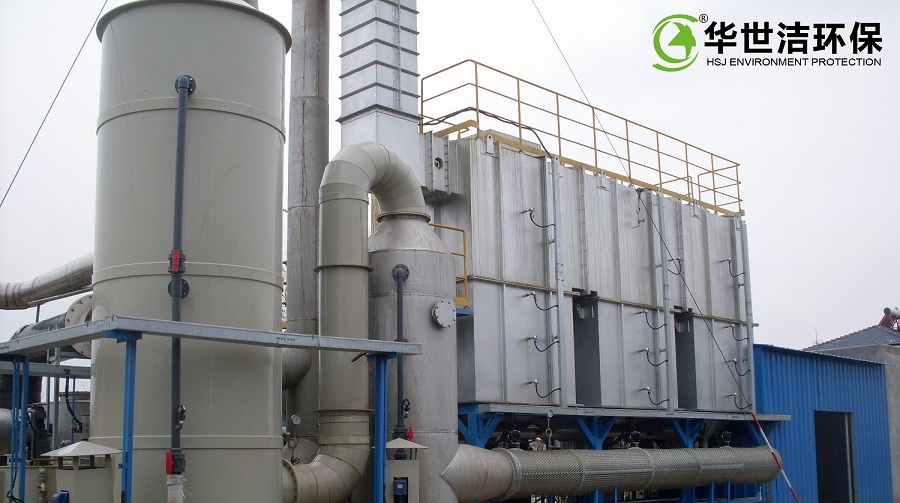
The collection system of pollution gases from coating workshops in shipyards currently forms large volume, low concentration, and fluctuating gas. The current purification technologies for large volume, low concentration gases mainly include adsorption concentration plus catalytic combustion, and adsorption concentration plus regenerative combustion (RTO). From a safety perspective, the adsorbents used in the current adsorption-concentration process coupled with various thermal oxidation processes have already changed from traditional carbon-based materials to hydrophobic molecular sieves. However, the rotary concentration plus regenerative combustion system is still not fully adapted to the exhaust purification with fluctuating exhaust intensity.
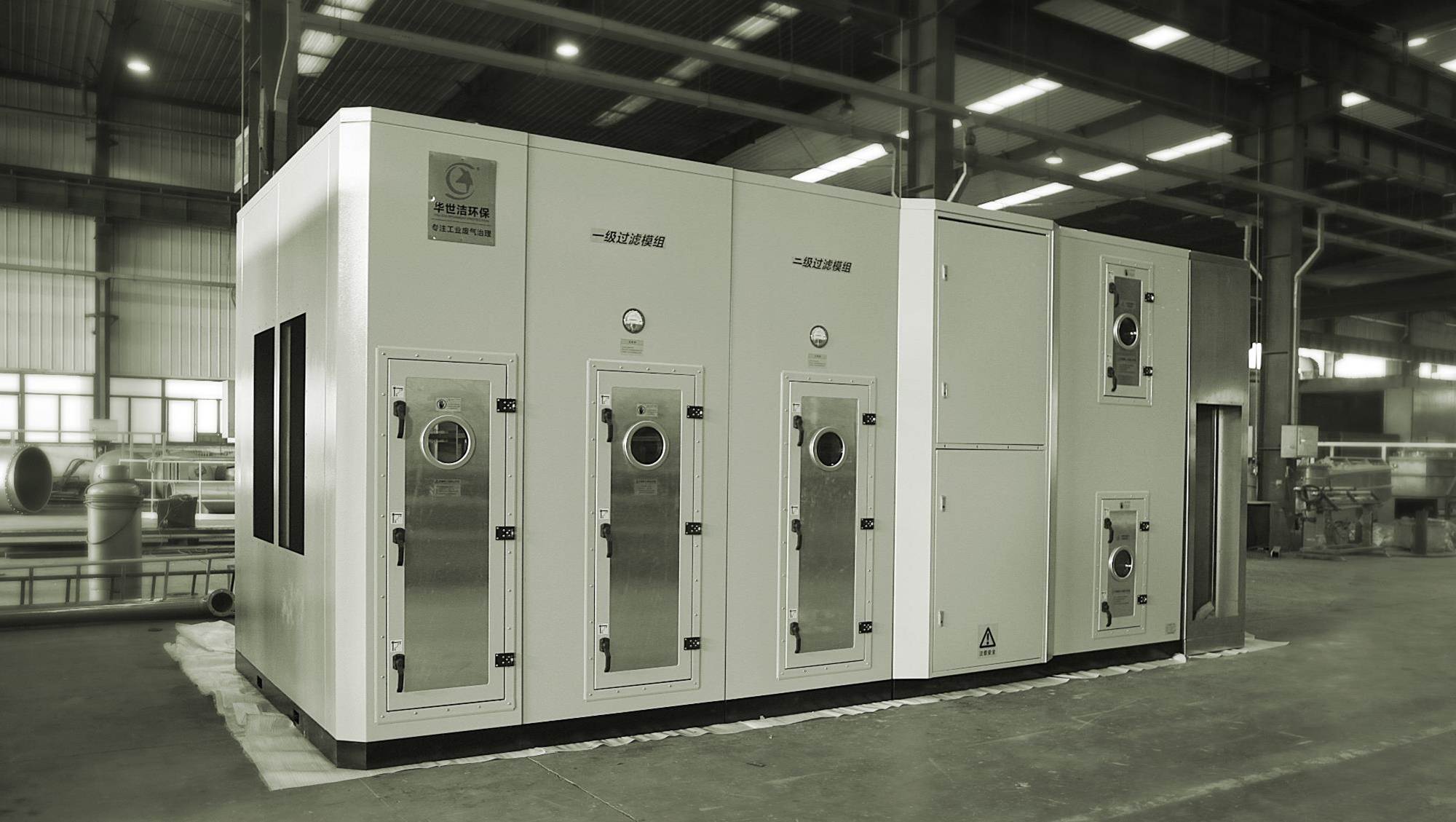
Naboko Environmental Protection has now produced the first domestic set of molecular sieve rotary equipment applied in industrial cases, providing reliable, safe, and low-cost equipment and processes for the treatment of large volume, low concentration organic waste gas in the coating industry.