The sources, hazards and differences between PM2.5 and PM10
Since 2019, many cities in the Beijing-Tianjin-Hebei region and the Fenwei Plain have experienced severe smog weather. According to the latest report from the Ministry of Ecology and Environment, in the first week of January, the "2+26" cities in the Beijing-Tianjin-Hebei region may experience two moderate to severe pollution processes, and the Fenwei Plain may also experience a regional heavy pollution process. So, during smoggy weather, what are the sources of PM2.5 and PM10 that we often talk about, and what are their hazards?
1. What are PM2.5 and PM10?
First of all, PM is the abbreviation of the English word "Particulate Matter" (particulate matter). The 2.5 and 10 after PM are used to indicate the size of the particulate matter, which is generally expressed in micrometers. 1 micrometer is equal to one millionth of a meter. The larger the numerical value, the larger the particulate matter. However, this value refers to the aerodynamic diameter of the particulate matter, which is a "hypothetical" particle size used to describe the movement of the particle.
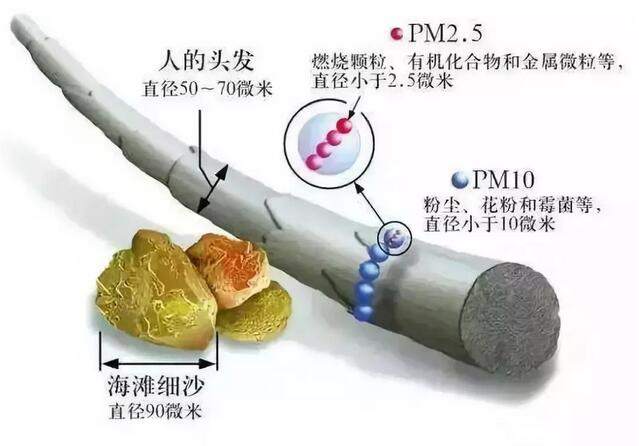
In this way, it becomes very easy for us to understand that PM2.5 refers to particulate matter in the ambient air with an aerodynamic diameter of less than or equal to 2.5 micrometers. It is also known as fine particles, inhalable particulate matter (capable of entering the lungs). Its diameter is less than 1/20 of the thickness of a human hair and can remain suspended in the air for a long time.
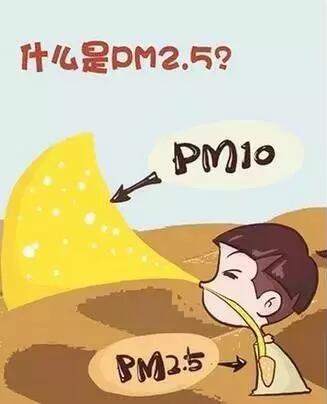
PM10 refers to particles with a diameter of less than 10 micrometers. It represents the collective term for solid and liquid particles suspended in the air. It is also known as inhalable particles.
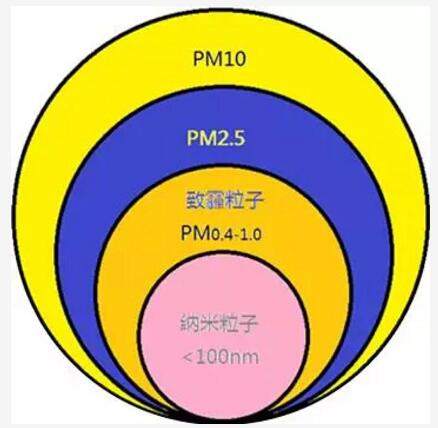
It can be seen that PM2.5 is a type of PM10. They are related by inclusion. PM2.5 generally accounts for about 70% of PM10.
2. Sources of PM2.5 and PM10
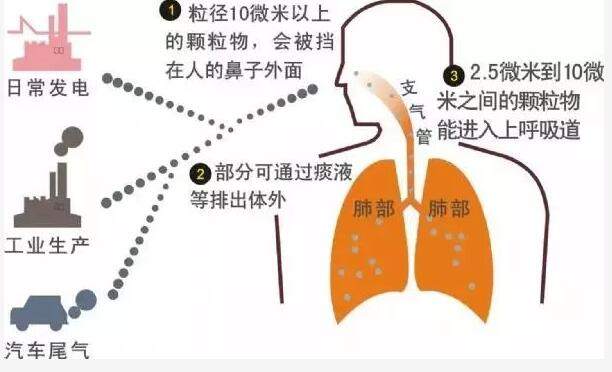
The main sources of PM2.5 are the residues released during the combustion processes in daily power generation, industrial production, and vehicle exhaust emissions, and most of them contain toxic substances such as heavy metals. Generally speaking, PM2.5 mainly comes from the combustion of fossil fuels, such as vehicle exhaust and coal burning, and there are also some volatile organic compounds.
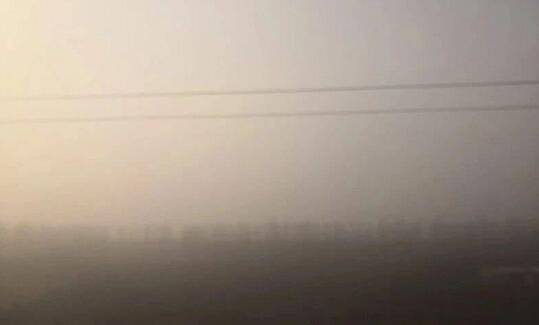
On January 14, 2019, in Shijiazhuang under the haze (with PM2.5 as the primary pollutant)
PM10 comes from direct emissions from pollution sources, such as chimneys and vehicles. Some others are formed by the interaction of sulfur oxides, nitrogen oxides, volatile organic compounds and other compounds in the ambient air. Additionally, motor vehicles running on unpaved or cemented roads, the crushing and grinding process of materials, and the dust raised by the wind can also increase the concentration of PM10.
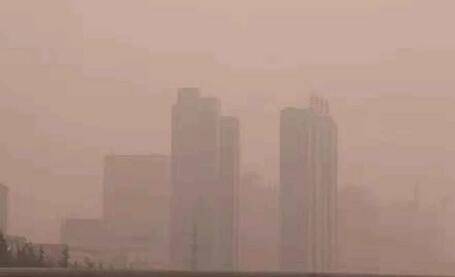
December 3, 2018 - Harbin City under smog (with PM10 as the primary pollutant)
3. Hazards of PM2.5 and PM10
The impact of particulate matter on health is closely related to its composition. To give a simple example, particulate matter is like various capsules sold in pharmacies. The capsules themselves do not cure diseases; it is the drug components inside the capsules that do the job. That is to say, the capsules play a role in transporting the drugs.
Compared with PM10, PM2.5 has a smaller particle size, a larger specific surface area, and stronger activity. It is more likely to carry toxic and harmful substances (such as heavy metals, microorganisms, etc.), and it stays in the atmosphere for a longer time and travels a longer distance. At the same time, it is more likely to remain in the terminal bronchioles and alveoli, so the impact of PM2.5 on health is greater than that of PM10 from the same source.
Hazards of PM2.5
The main components of PM2.5 include: carbon-containing particles (including elemental carbon and organic carbon; elemental carbon mainly comes from the high-temperature combustion process, while organic carbon mainly comes from incomplete combustion products at relatively low temperatures), sulfates, nitrates, ammonium salts, heavy metals, etc. PM2.5 will further adsorb the organic and metal chemical components, bacteria, viruses, fungi, etc. existing in the air during its suspension in the air.
PM2.5 will enter the alveoli through the respiratory tract and deposit in the lungs. These particles have strong adsorption capacity and are the "carriers" and "catalysts" of various pollutants. Sometimes they can become a collection of various pollutants. They deposit on the alveoli, interfering with gas exchange in the lungs, damaging the alveoli and mucous membranes, causing chronic fibrosis of lung tissue, leading to pulmonary heart disease, aggravating asthma, and causing a series of diseases such as chronic nasopharyngitis, chronic bronchitis, etc. The harm to children and the elderly is particularly obvious.
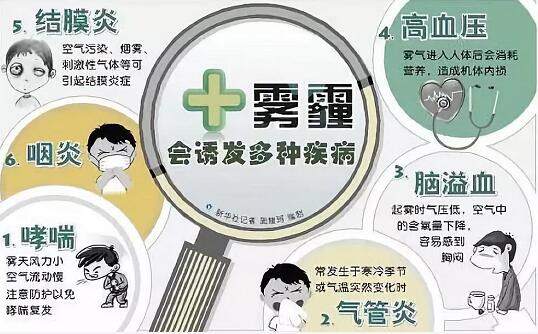
PM10的危害
PM10 was formerly known as floating dust, referring to substances that can remain suspended in the atmosphere for a long time. Due to its ability to remain suspended in the atmosphere for a long time, it can carry pollutants to distant places, resulting in an expansion of the pollution area, and it can also provide a reaction bed in the atmosphere for chemical reactions. Because the particle size of PM10 is relatively large, PM10 is prone to settle. The concentration is highest near the ground and decreases as the height increases.
PM10 can be directly inhaled into the respiratory tract by humans, but some can be excreted from the body through phlegm and other means. Additionally, it can be blocked by the绒毛 inside the nasal cavity. Compared to PM2.5, it poses relatively less harm to human health.
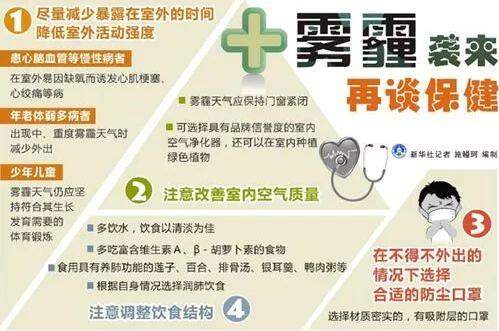
4. How to protect oneself during a haze event?
Severe haze weather can cause respiratory and other related diseases. Regardless of whether one is at home or on the move, the public needs to take health protection measures. By adjusting the diet structure, closing windows less, and wearing masks when going out, one can reduce the impact of haze on oneself.