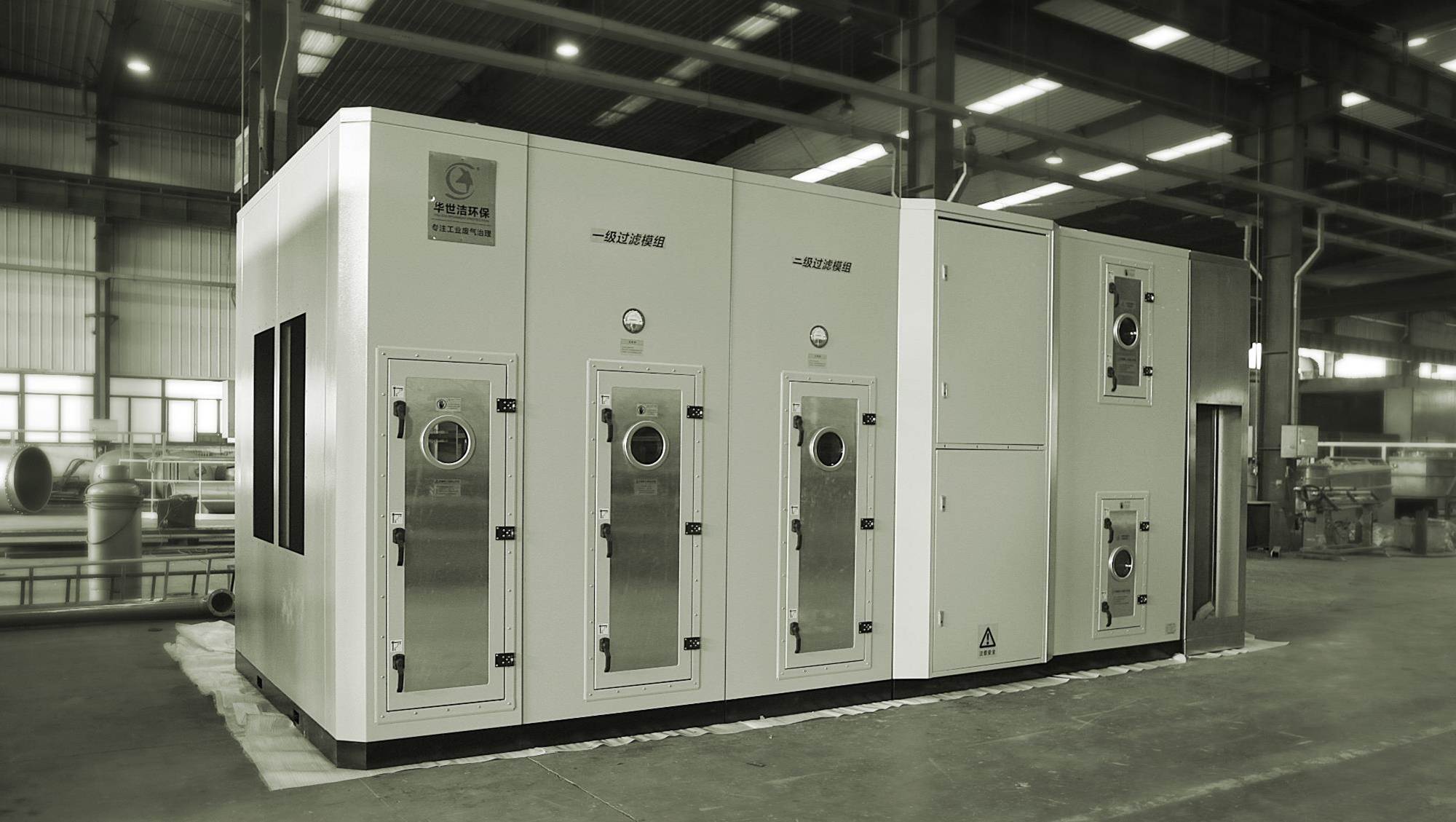
Brief Description of Molecular Sieve Wheel Adsorption Concentration Process
The adsorption material used in the rotary discs of Qingdao Nabokobu Technology Co., Ltd. (hereinafter referred to as Nabokobu) is inorganic honeycomb hydrophobic zeolite (molecular sieve), so it is usually called zeolite rotary disc or molecular sieve rotary disc. Please refer to Figure 1 below for details.
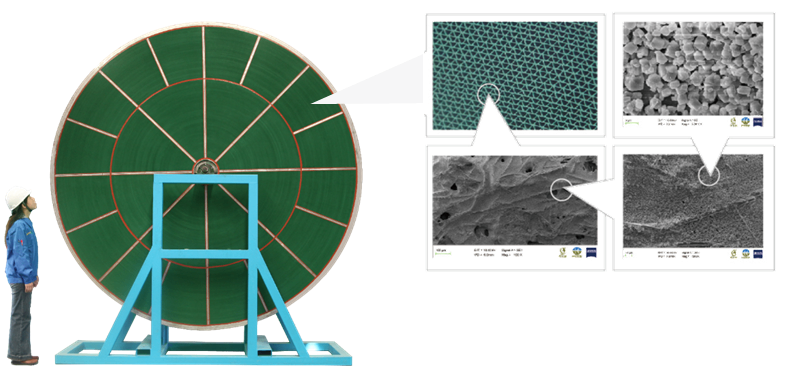
Figure-1 Naboko Molecular Sieve Adsorption Concentration Wheel
The molecular sieve wheel concentration wheel is suitable for treating large volume and low concentration waste gas. Compared with the honeycomb activated carbon fixed bed device, it has the advantages of continuous operation, long material lifespan, high operational stability, high adsorption efficiency, low maintenance cost, safety and reliability.
Brief description of VOCs treatment process
For VOCs (volatile organic compounds) waste gas with large volume, low concentration, complex composition and no recovery value, the preferred treatment process is the combination of molecular sieve adsorption concentration wheel + oxidation unit, as shown in Figure-2 below:
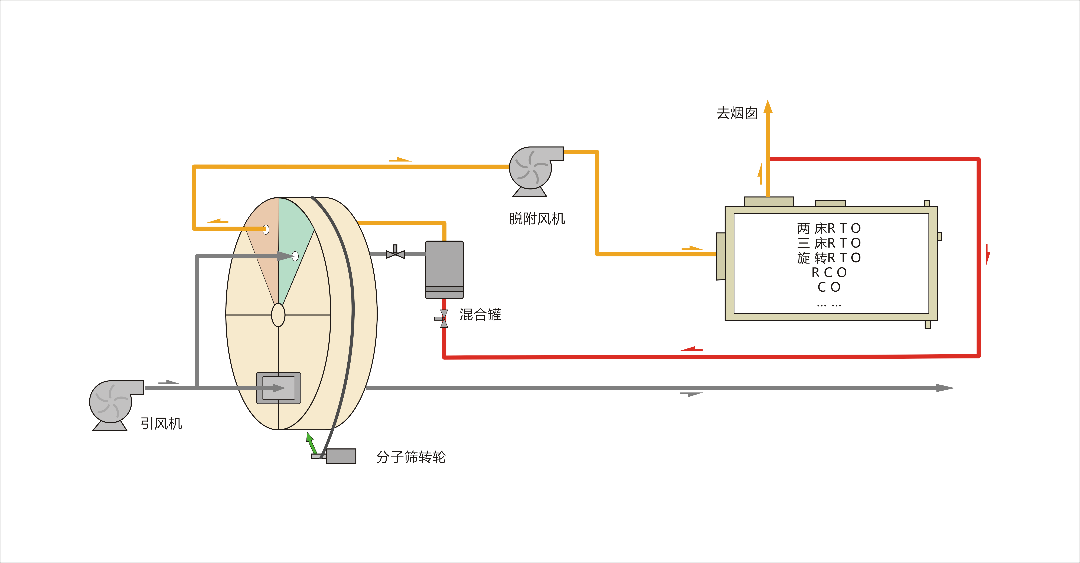
Figure - 2 Naboco Molecular Sieve Wheel + Oxidation Unit Combined Process Diagram
The molecular sieve wheel is mainly designed for treating VOCs gases with a concentration lower than 500mg/Nm3 (800ppm) and a temperature below 40℃. It can achieve a VOCs removal rate of over 95%. Naboco uses special ceramic fiber paper to form a honeycomb structure and processes it to create a honeycomb carrier. This honeycomb carrier ensures a good contact area between the VOCs gas and the zeolite molecular sieve. Considering that the molecular sieve is an ionic adsorbent, selective adsorption is carried out based on the size and polarity of the molecules. Therefore, our company selects hydrophobic molecular sieves with a high silica-alumina ratio to selectively adsorb VOCs, making the molecular adsorption concentration wheel have excellent adsorption performance.
The molecular sieve adsorption concentration wheel is divided into the adsorption zone, the desorption zone, and the cooling and regeneration zone. The wheel rotates continuously at a certain speed. Please refer to Figure - 3 and Figure - 4 for details:
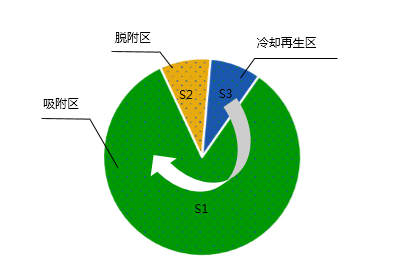
Figure-3 Schematic Diagram of the Naboko Molecular Sieve Wheel Principle
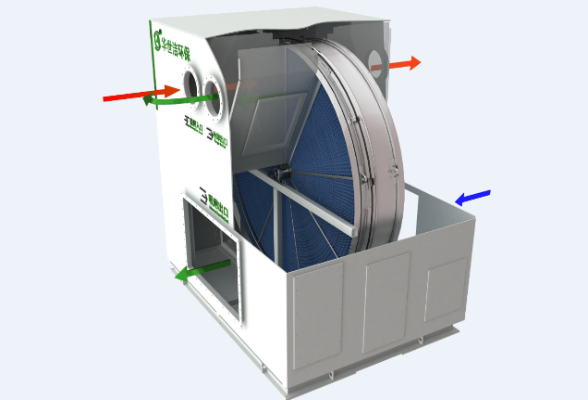
Figure-4 Physical Principle Diagram of Naboko Molecular Sieve Wheel
Adsorption Zone: After VOCs waste gas is pre-treated by multiple filtration devices, it enters the adsorption zone of the molecular sieve wheel for adsorption. The clean gas after being purified by zeolite molecular sieves is directly discharged into the atmosphere through the chimney.
Desorption Zone: Before the molecular sieves in the adsorption zone reach saturation, the wheel rotates to the desorption zone. Using hot air for desorption and concentration, the desorption temperature is 180~220℃. The operating temperature can reach 350℃. According to the composition and concentration, the rotation speed of the wheel can be adjusted to achieve high purification efficiency. By setting the adsorption speed and desorption speed, an ideal VOCs concentration ratio (n = (S1×V1)/(S2×V2) = 5~30) can be achieved, significantly reducing operating energy consumption.
Cooling and Regeneration Zone: The desorbed molecular sieve wheel enters the cooling and regeneration area. It is cooled and regenerated by cold air or cold waste gas. The regenerated molecular sieve wheel rotates to the adsorption zone and continuously adsorbs VOCs waste gas. This process repeats continuously and operates in a continuous manner.
Thermal Oxidation Unit: The concentrated organic waste gas after desorption is pumped by the oxidation fan to the thermal oxidation furnace for combustion and conversion into carbon dioxide and water vapor, which is then discharged into the atmosphere. Common oxidation units used with the molecular sieve wheel include regenerative thermal oxidation (RTO) and catalytic oxidation (CO), selected based on different operating conditions. The heat released during the thermal oxidation of VOCs in the combustion chamber is partially used for self-operation, and if there is excess heat available, it can be used for desorption or preheating recovery, such as in heat transfer oil boilers or waste heat steam boilers, maximizing energy conservation.