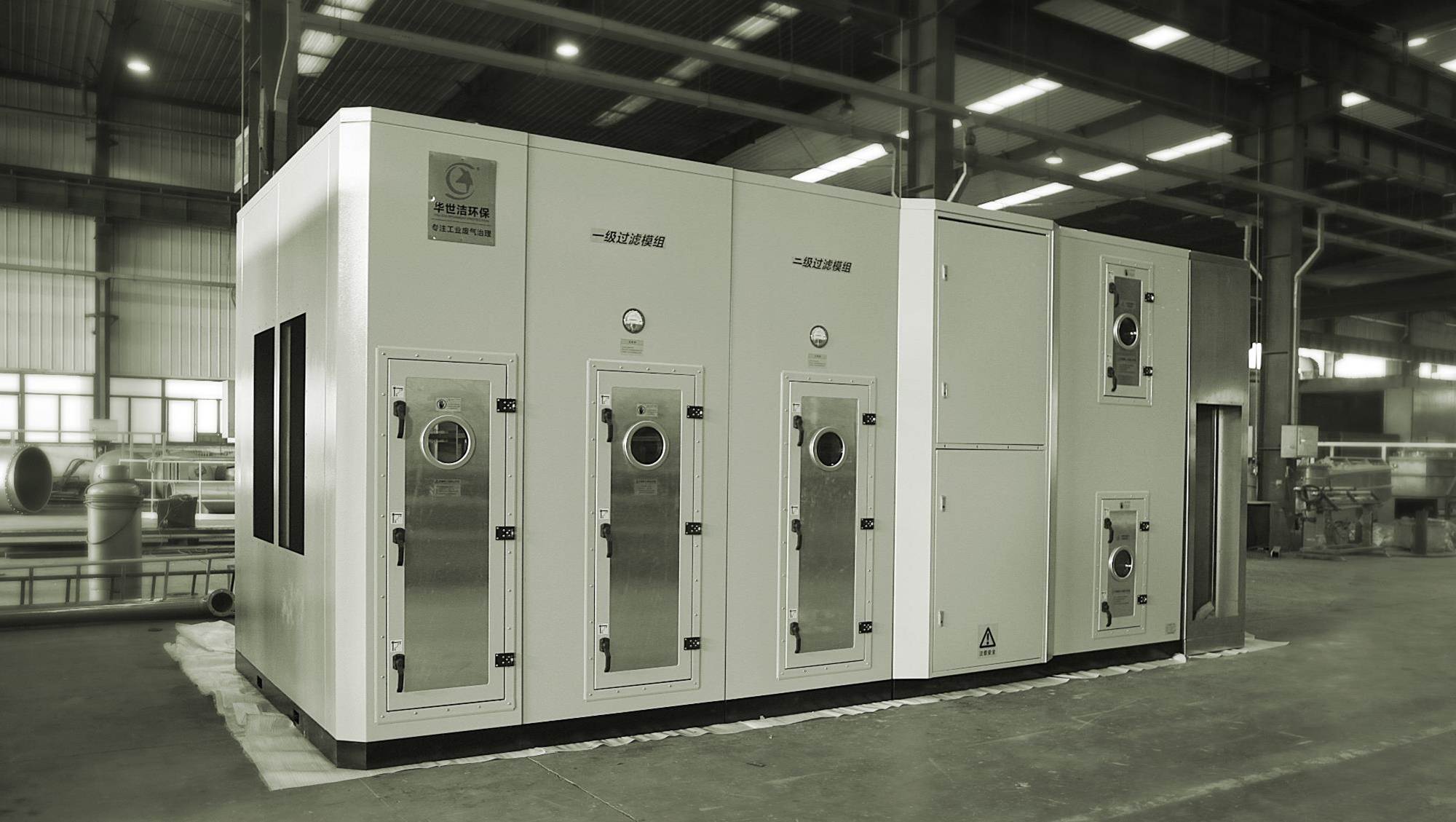
The development of molecular sieve rotor concentration + catalytic combustion technology for waste gas treatment in China
The industrial organic waste gas treatment industry in China started relatively late. It was not until the 1990s that domestic technology gradually matured. In the field of adsorption, concentration and catalytic combustion technology, domestic enterprises and research institutions initially relied mainly on activated carbon adsorption. Even now, there are still many enterprises using the activated carbon adsorption method for treatment.
To sum up, the changes in the technological era are rapid. After 20 years of exploration, domestic technology still remains at the stage of activated carbon adsorption. During these 20 years, this integrated waste gas treatment technology based on adsorption materials has supported a large number of projects and has always been the mainstream material for adsorption and concentration of waste gas treatment technology.
When banks are closed, Yuantoubao is ahead of the curve; when Sony is proud of its technology, when Kodak is expanding vigorously, the arrival of the digital age leaves them unprepared and collapses; when you are still ordering dishes in a restaurant, the customers who come behind you have already sat down and eaten the pre-ordered dishes; the development of technology is like this, the industrial waste gas treatment industry is the same. The activated carbon adsorption technology had its unique advantages in a certain historical period and contributed to the world's environmental protection cause. After surviving for a long time, its inherent flammability deficiency cannot meet the needs of the increasingly developing industrial waste gas treatment. The high-boiling-point organic substances cannot be desorbed and the lifespan is greatly limited. At this time, a new technology quietly sprouted and began to take root throughout the country.
Ceramic carrier zeolite molecular sieve is this disruptive new type of adsorption material. Its materials are all inorganic materials, non-flammable, the desorption temperature can reach 220℃, the recycling utilization life is high, there is no secondary pollution of solid waste, the equipment integration is high. Before 20th century, this technology was mainly mastered by developed countries such as Japan and the United States. Imported products have long construction periods, high prices, and insufficient after-sales guarantee. Fortunately, in 2014, the first domestically independently developed ceramic carrier zeolite molecular sieve adsorption wheel was born in Qingdao Nabok Environmental Technology Co., Ltd., marking the complete end of the era when this advanced technology was controlled by foreign countries.
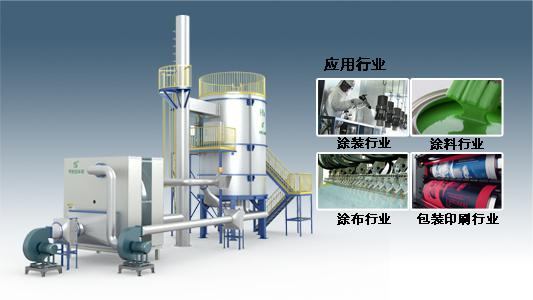
It is known that up to now, the company's own molecular sieve rotor project has been quietly constructed in places such as Wuxi, Qingdao, Chengdu, and Tianjin. Some of the projects have been put into operation, while others are still under construction;
During the communication with the technicians of Naboco, it was learned that the company, like many domestic enterprises, had previously adopted the widely recognized activated carbon (honeycomb activated carbon, granular activated carbon, activated carbon fibers, etc.) adsorption technology and carried out waste gas treatment project construction for many enterprises across the country; foreign enterprises represented by Wuxi Enfu Oil Seal (NOK), Qingdao Dongbi Tractor (TOPY), Qingdao Tianmo Asia-Pacific Automotive Components (TRW), etc., and a large number of domestic enterprises installed their honeycomb activated carbon adsorption, concentration, catalytic combustion waste gas treatment equipment; it is undeniable that until now, the activated carbon adsorption materials still have their unique advantages for specific waste gas treatment sites; based on this technology, molecular sieve adsorption materials have become the mainstream pulse of the adsorption, concentration, waste gas treatment technology;
Just like how NOKIA replaced KODAK and APPLE submerged NOKIA, molecular sieve is bound to be becoming the key material for future adsorption, concentration, catalytic combustion industrial waste gas treatment; there may be more advanced materials replacing molecular sieve in the future. It is hoped that domestic waste gas treatment enterprises led by Qingdao Naboco will continue to strive and stay at the forefront of global industrial waste gas treatment technology.
Naboco: Mastering core materials, leading environmental protection technology, and being a global supplier of environmental protection equipment and core materials.